

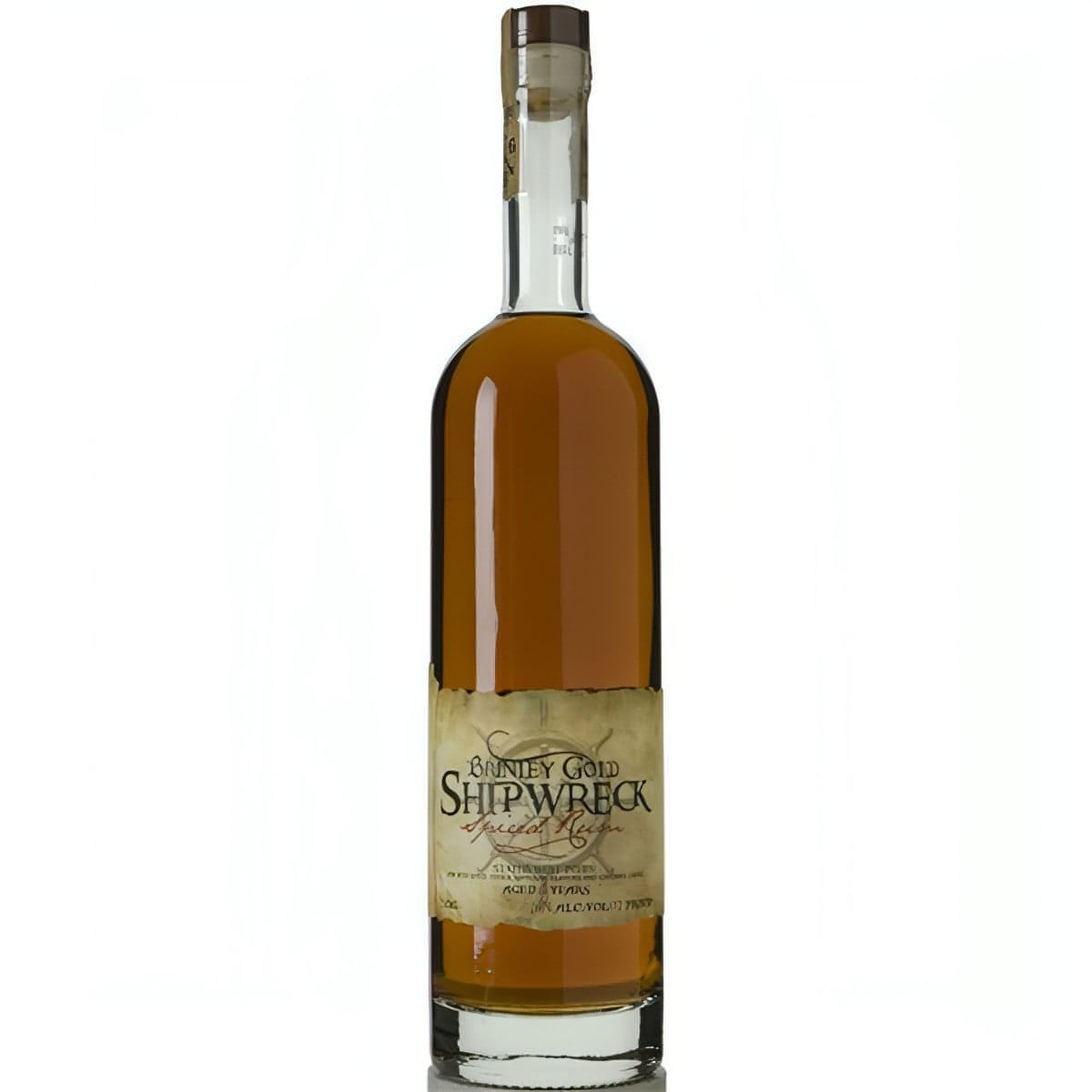
Shipwreck Spiced Rum
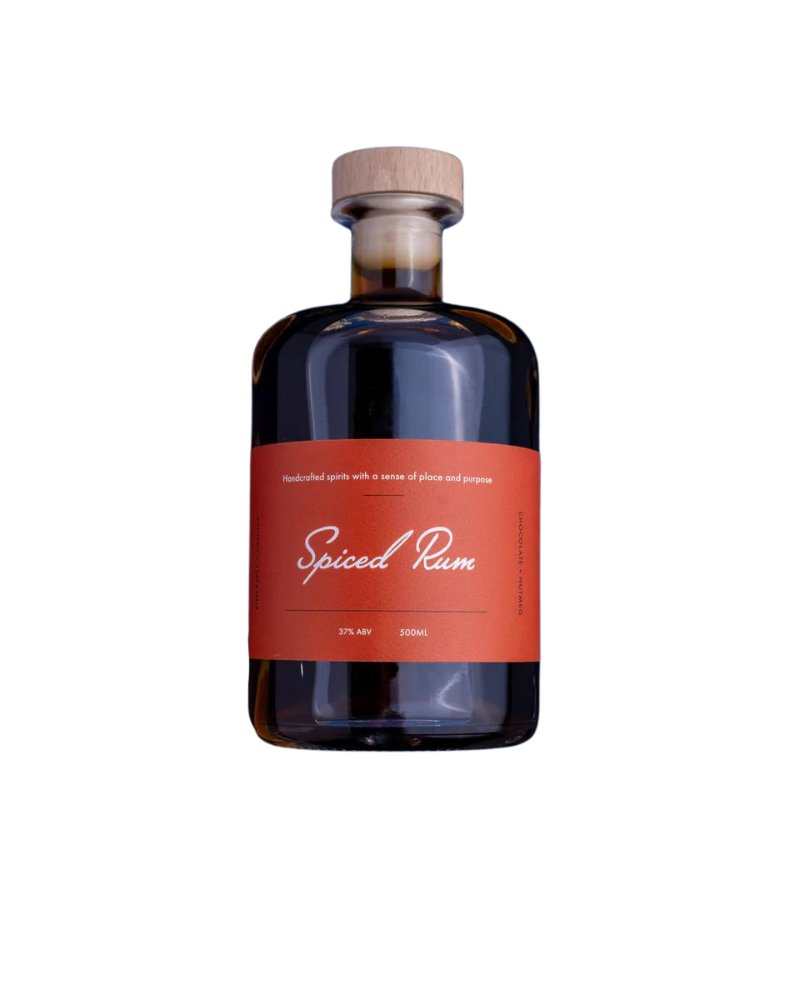
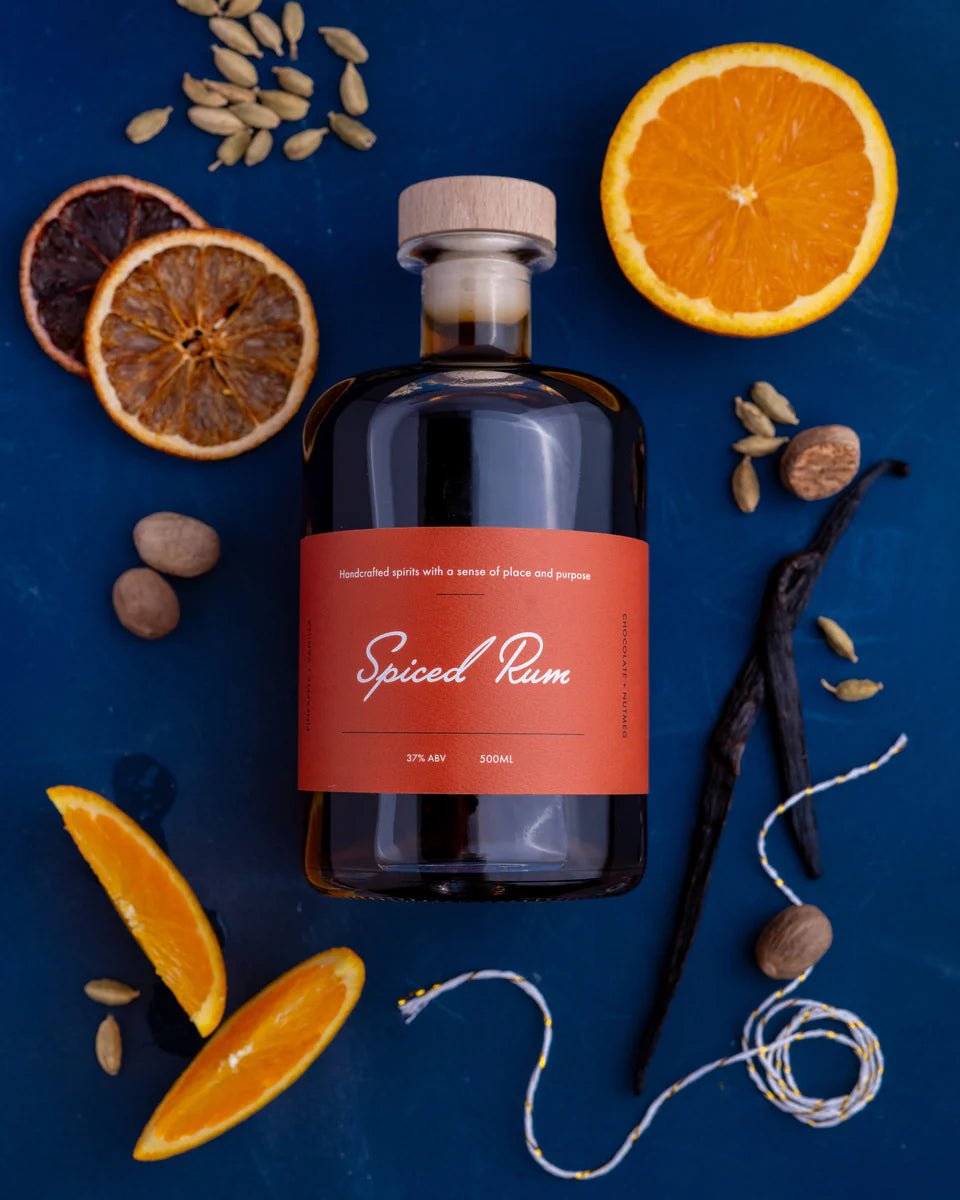
Canberra Distillery Spiced Rum 500ml
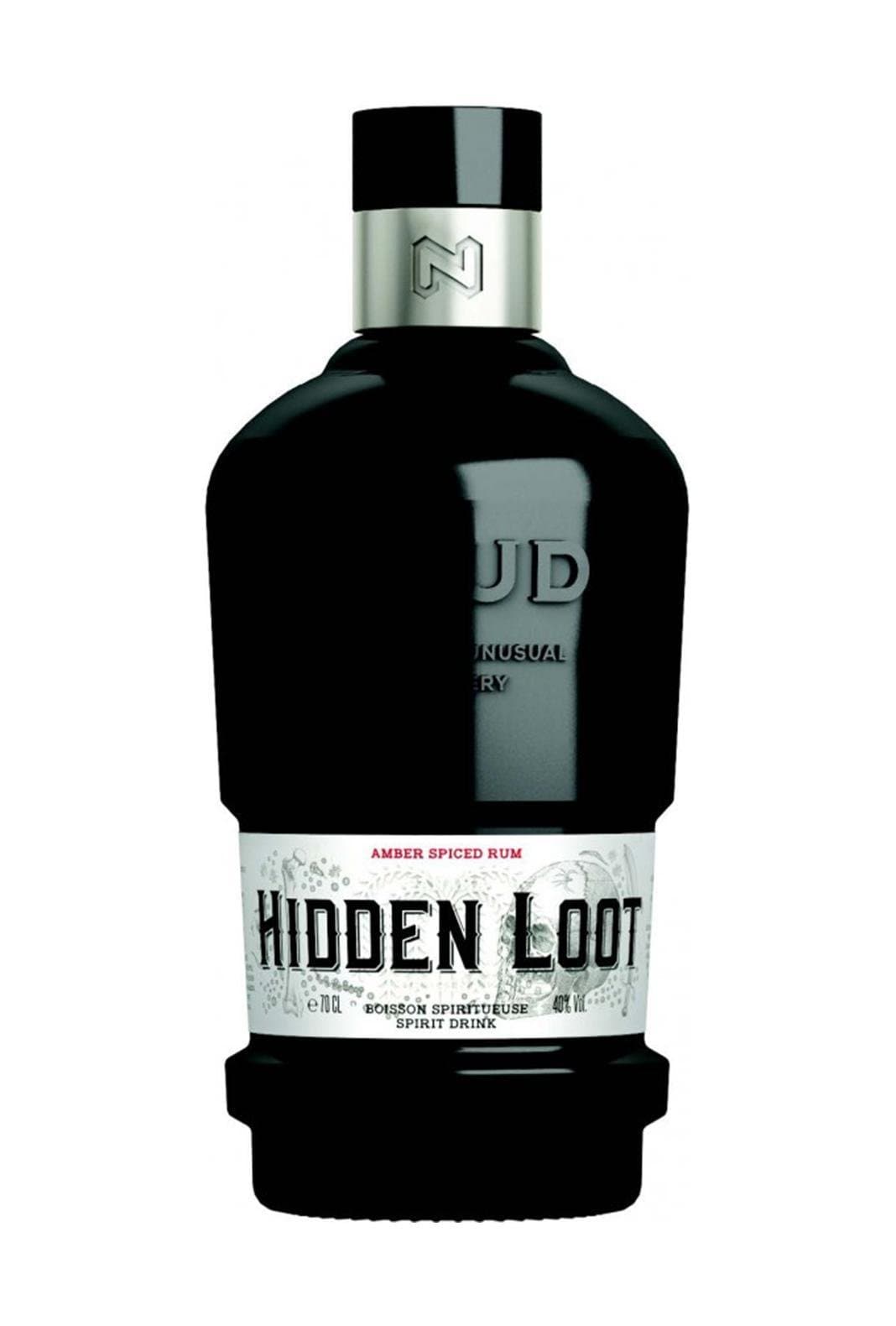
Naud Hidden Loot Spiced Rum 40% 700ml
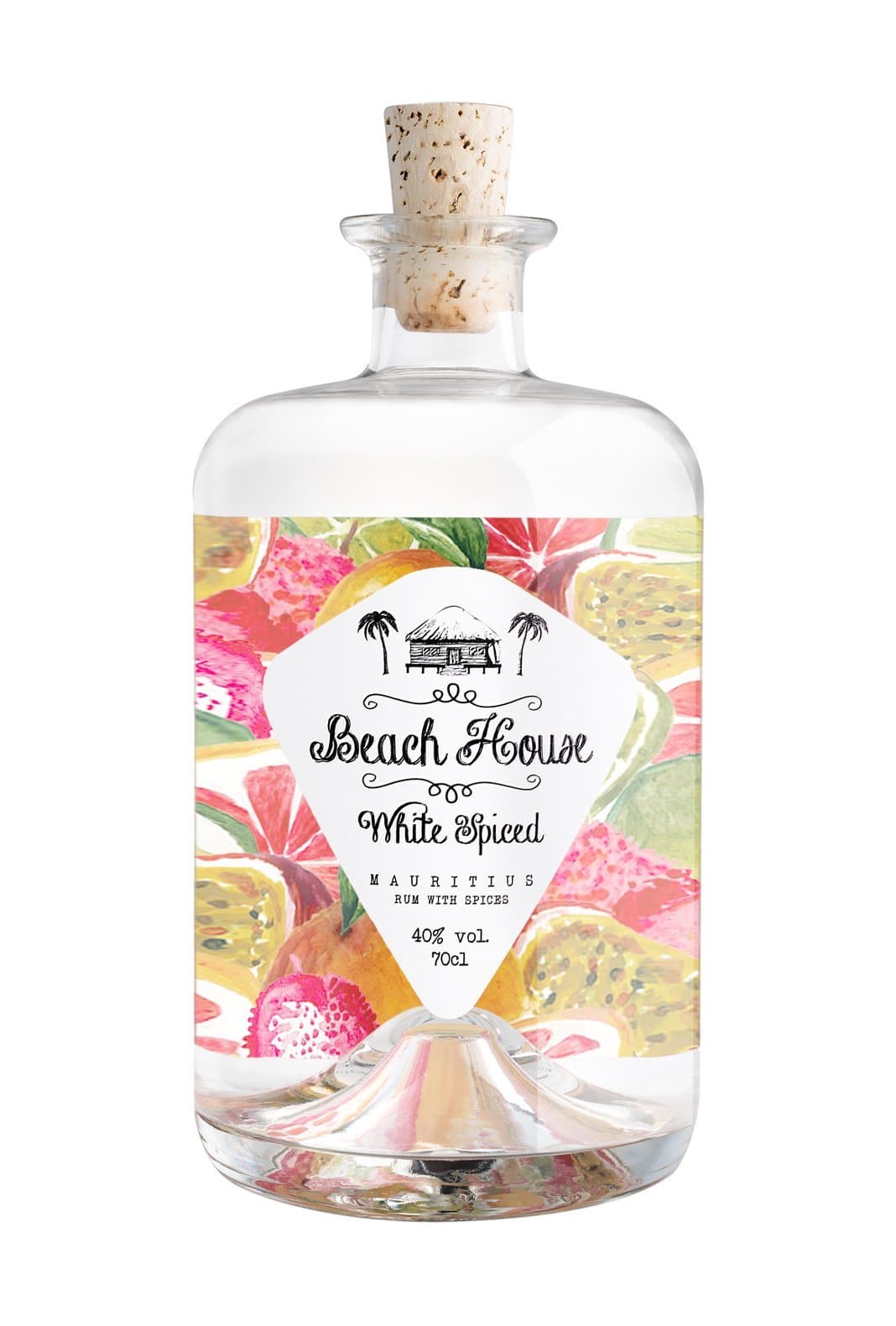
Beach House White Spiced Rum 40% 700ml
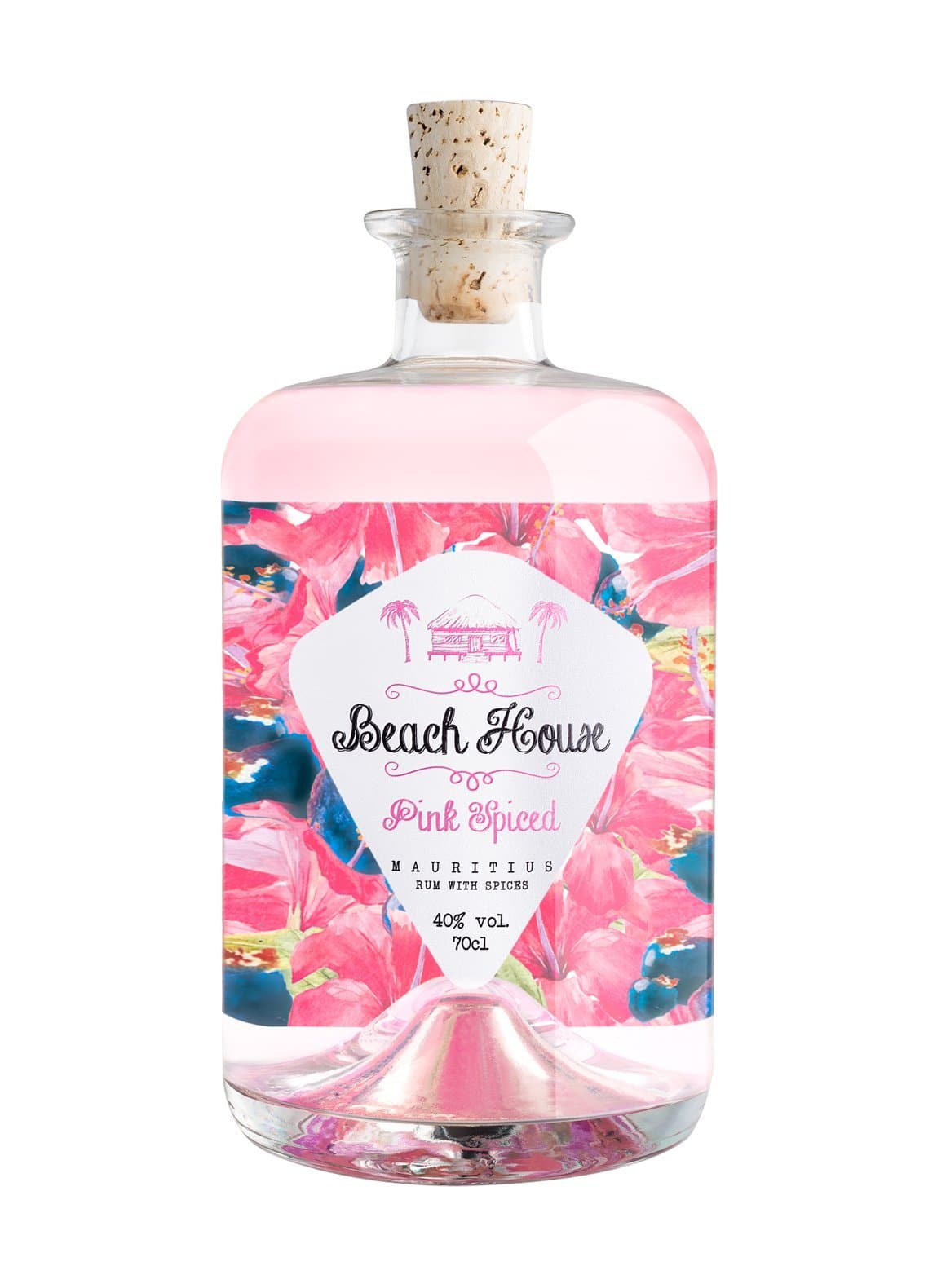
Beach House Pink Spiced Rum 40% 700ml
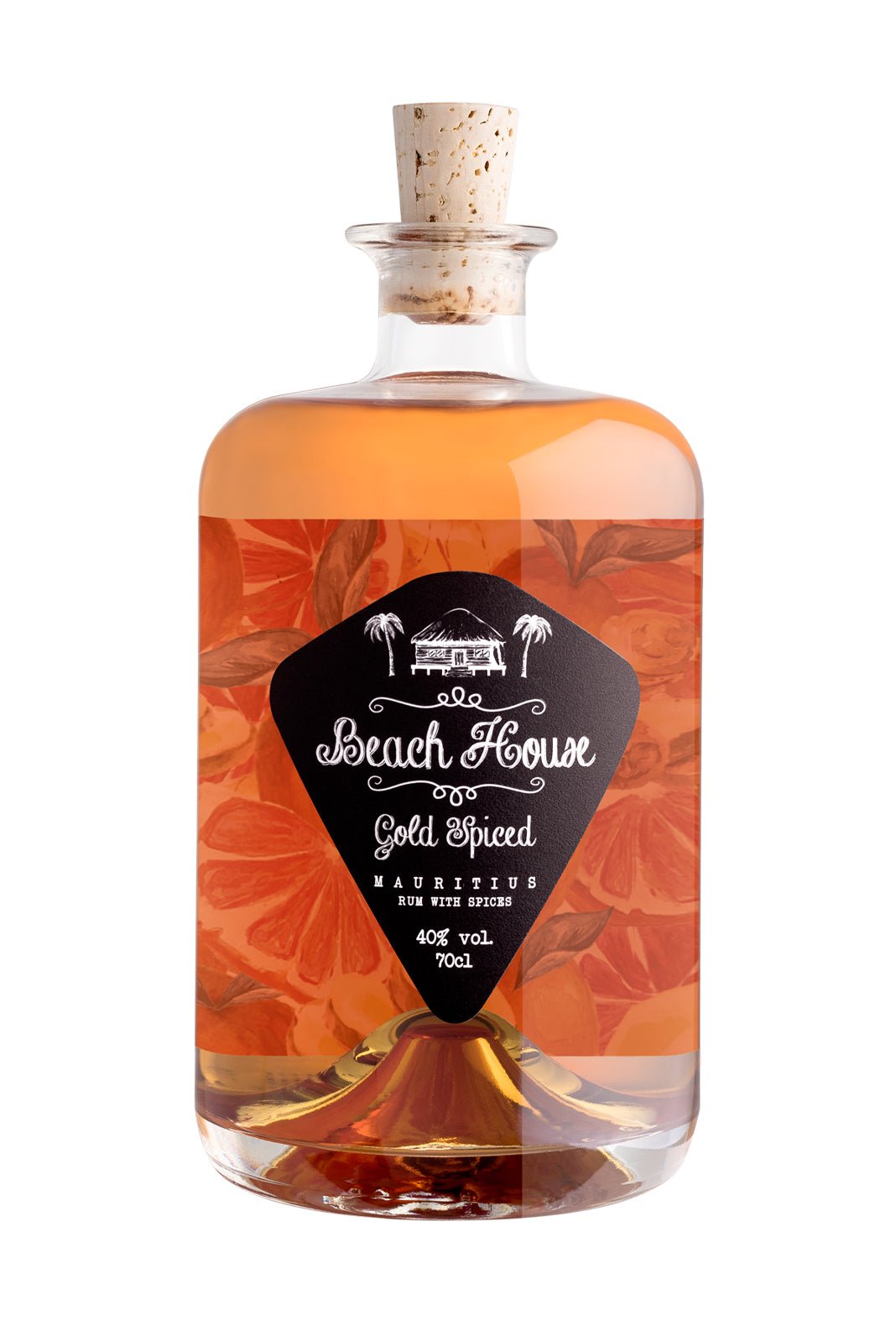
Beach House Gold Spiced Rum 40% 700ml
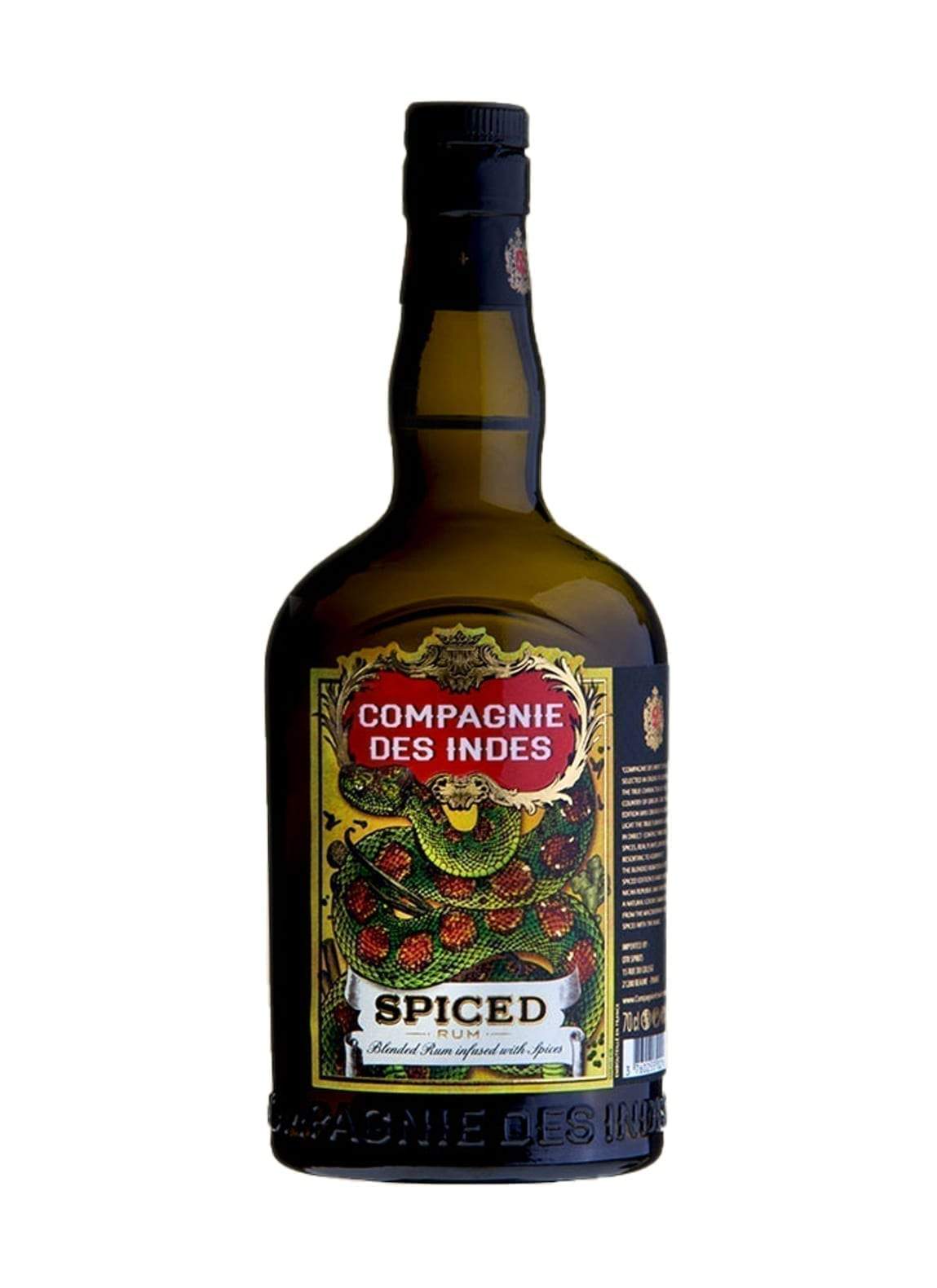
Compagnie Des Indes Spiced Rum 40% 700ml
About Spiced Rum
Spiced rum is a finishing step rather than a style of distillation. The rum is made first, and spice, citrus peel, vanilla and sometimes sugar go in afterwards, which is why two bottles on this page can start from very similar spirit and taste nothing alike.
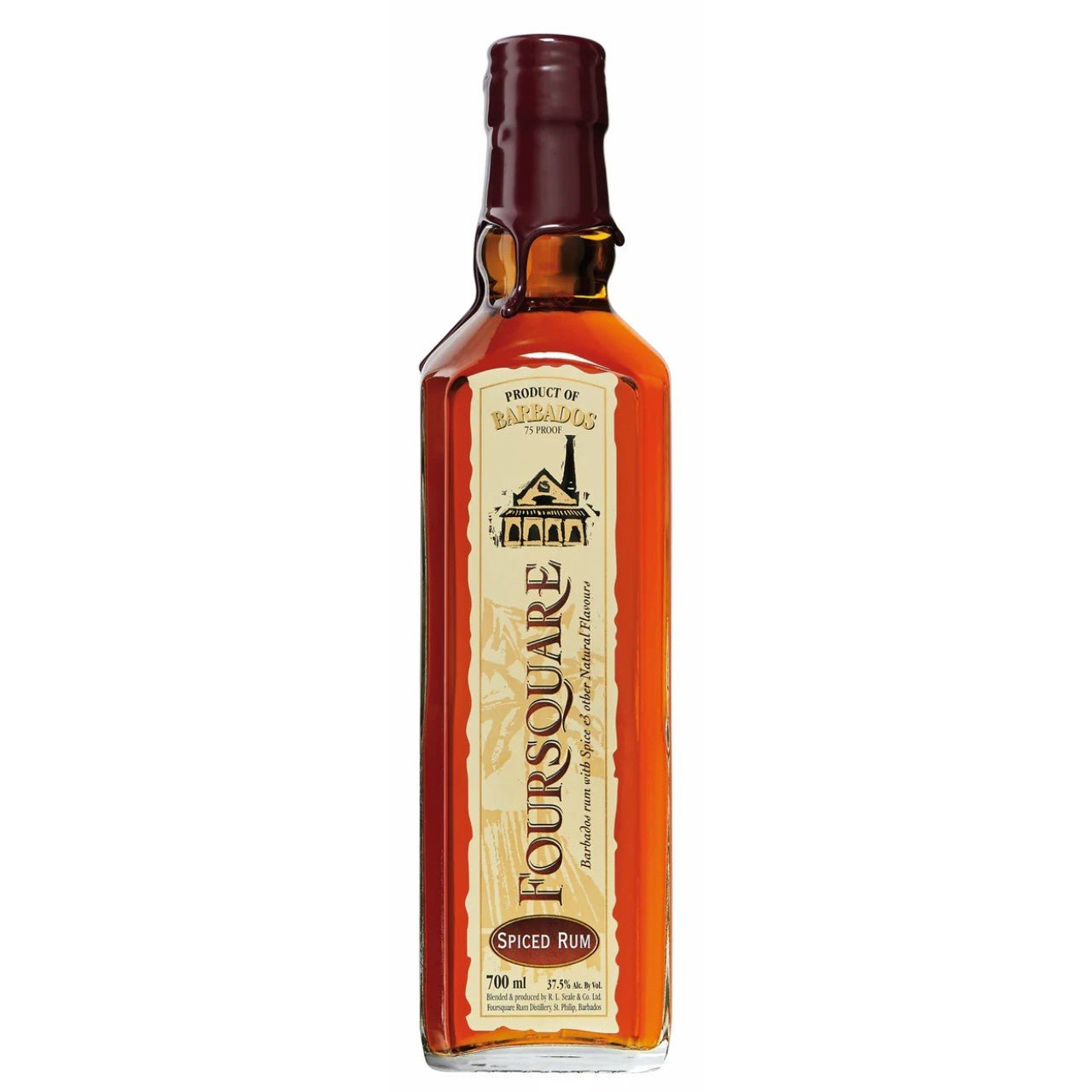
The range here is small and deliberately spread. Foursquare in Barbados is a column and pot distillery with a reputation built on unsweetened aged rum, and its spiced bottling comes from the same stock. Shipwreck is from St Kitts. Beach House is made in Mauritius and appears in gold, white and pink versions, which is unusual: white spiced rum is rare, and it behaves quite differently in a glass. Canberra Distillery makes the Australian entry. Naud and Compagnie des Indes are both French houses, the second an independent blender that sources rum from across the Caribbean.
Sweetness is the axis that matters. There is no universal disclosure standard for added sugar in rum, so the only reliable guide is the producer's own description and your own palate. Broadly, the bottlings that lean on vanilla read sweeter, and the ones that lean on pepper, clove and citrus peel read drier and more savoury.
Strength is consistent at forty per cent across most of the page, which makes these among the more approachable rums on the site.
Spiced rum is one branch of a very wide category, and types of rum explained sets out the rest, with five reasons to explore rum as the gentler start.
History
Flavouring rum with spice is as old as rum itself, and it began as a practical measure rather than a marketing one. Early Caribbean rum was rough, and the spices that grew in the same colonies, cinnamon, clove, nutmeg, allspice and citrus peel, were the obvious correction. Ships' crews and plantation households both did it.
The British Royal Navy's daily ration, issued from the seventeenth century until 1970, is the version most people have heard of. From 1740 it was served as grog, rum cut with water and often with lime and sugar, which is a spiced and sweetened rum drink by any reasonable definition.
Commercial spiced rum as a bottled product is much more recent. It emerged as a distinct shelf category in the second half of the twentieth century, and it grew quickly because it solved a problem for drinkers who found aged rum too austere and white rum too plain.
What has changed lately is who makes it. For a long time the category belonged to large brands built on flavouring and sweetening. The bottles on this page mostly come from the other direction: distilleries with their own aged rum, applying spice to spirit they made themselves, and small producers in Mauritius, Australia and St Kitts working at a scale where the recipe is the point.
How to drink it
Spiced rum is a mixing spirit first, and there is no shame in that. It was built for it.
The two drinks it suits most are the simplest. Rum and cola over plenty of ice with a wedge of lime, and a Dark and Stormy style build with ginger beer and lime. Both want a tall glass, a full load of ice and a fresh citrus squeeze rather than a bottled one, because the spice in the rum needs something sharp to push against.
For sipping, take the drier bottles rather than the sweeter ones, neat or over one large cube in a tumbler. A sweet spiced rum served neat gets cloying fast; the same bottle in a long drink is fine.
The Beach House white and pink bottlings are worth treating differently. White spiced rum works where you would otherwise use a light rum, in a daiquiri or with soda and lime, and it keeps the spice without the weight.
Spiced rum is also the one category here that genuinely belongs in the kitchen, in marinades, in glazes for pork and in baking.
Serve it cold if you are mixing and at room temperature if you are not. Measure your pours rather than free pouring: the sweetness hides the strength, and forty per cent is still forty per cent.