
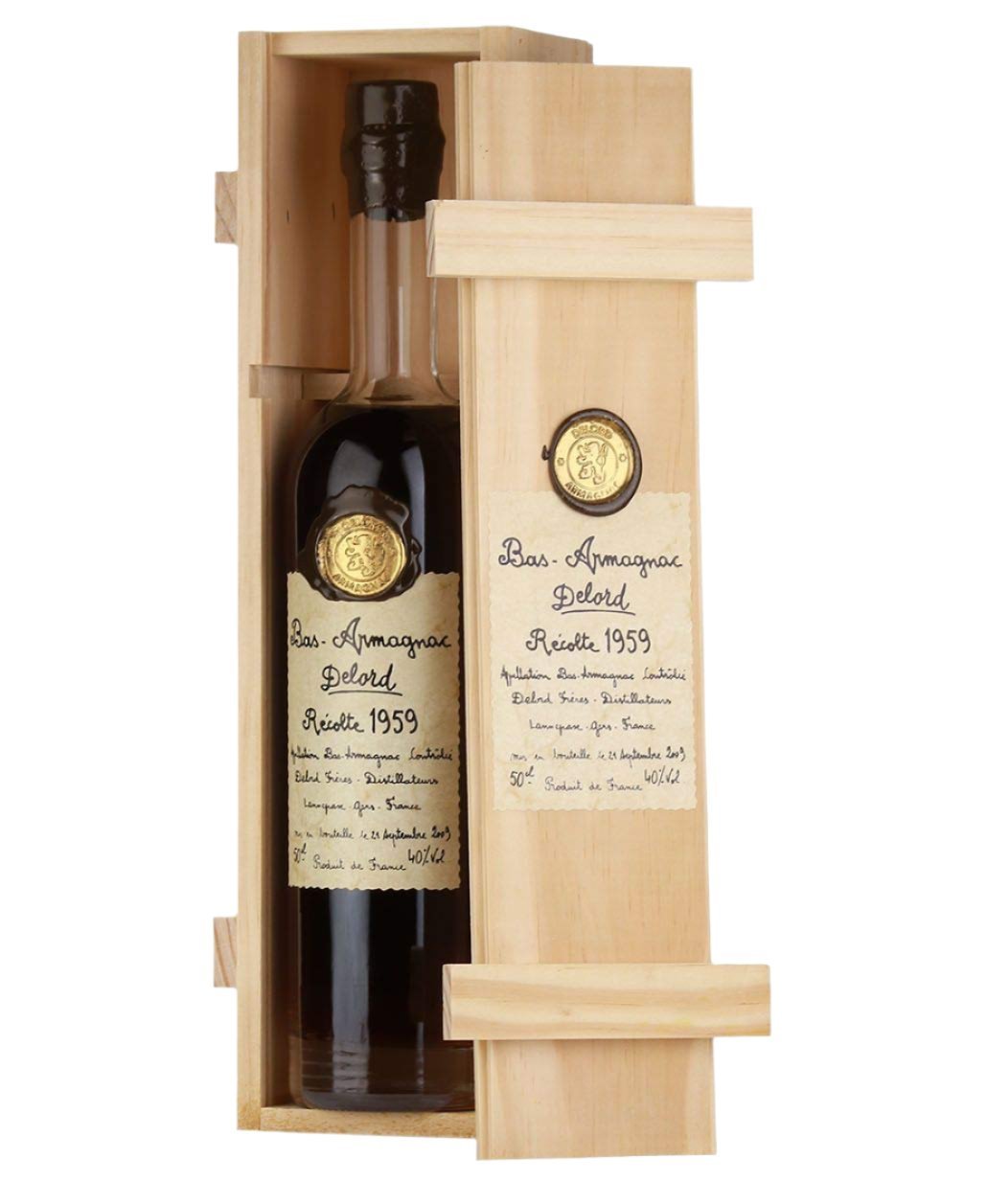
Delord 1959 Bas Armagnac 40% 700ml
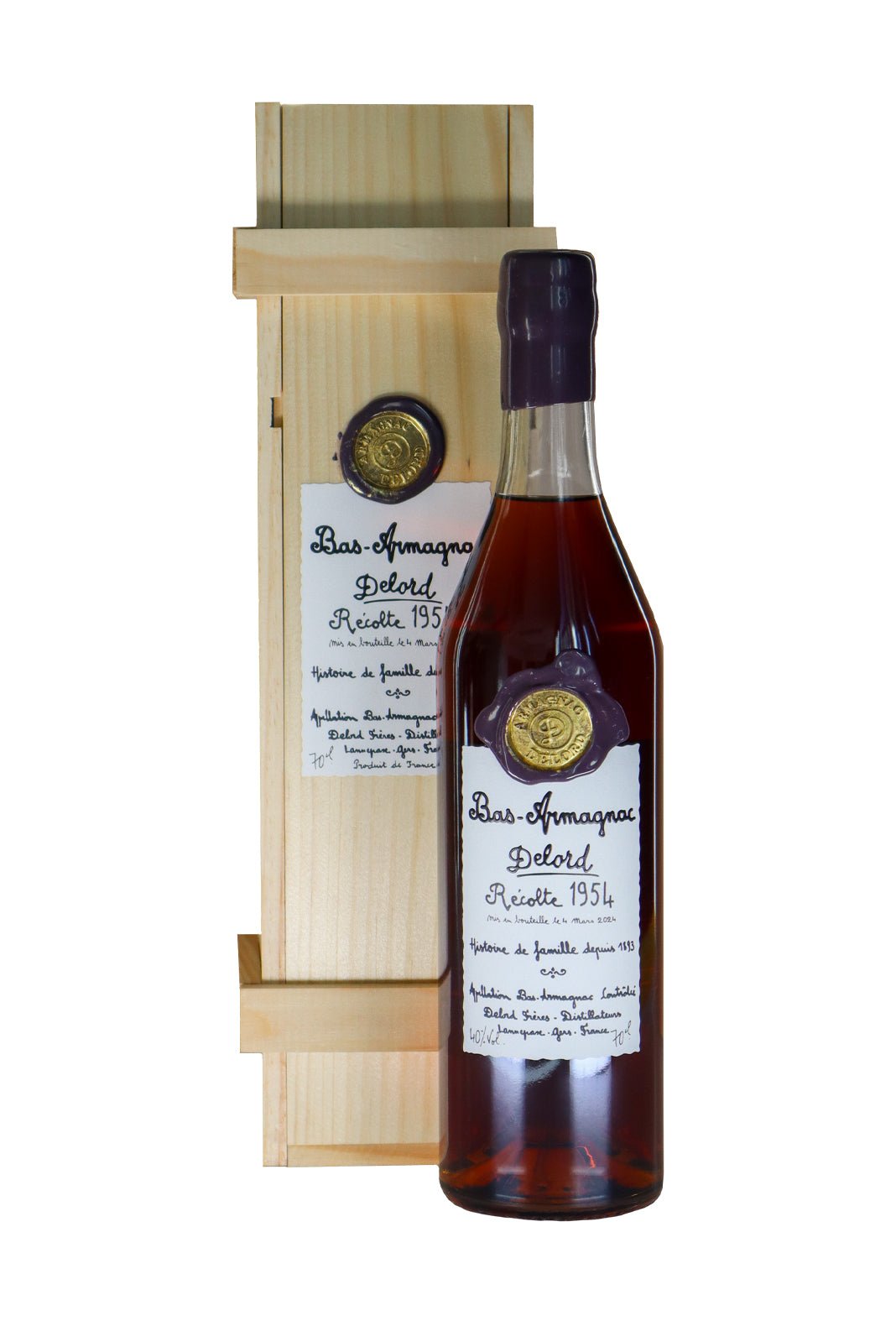
Delord Armagnac 1954 Wooden Gift Box 40% 700ml
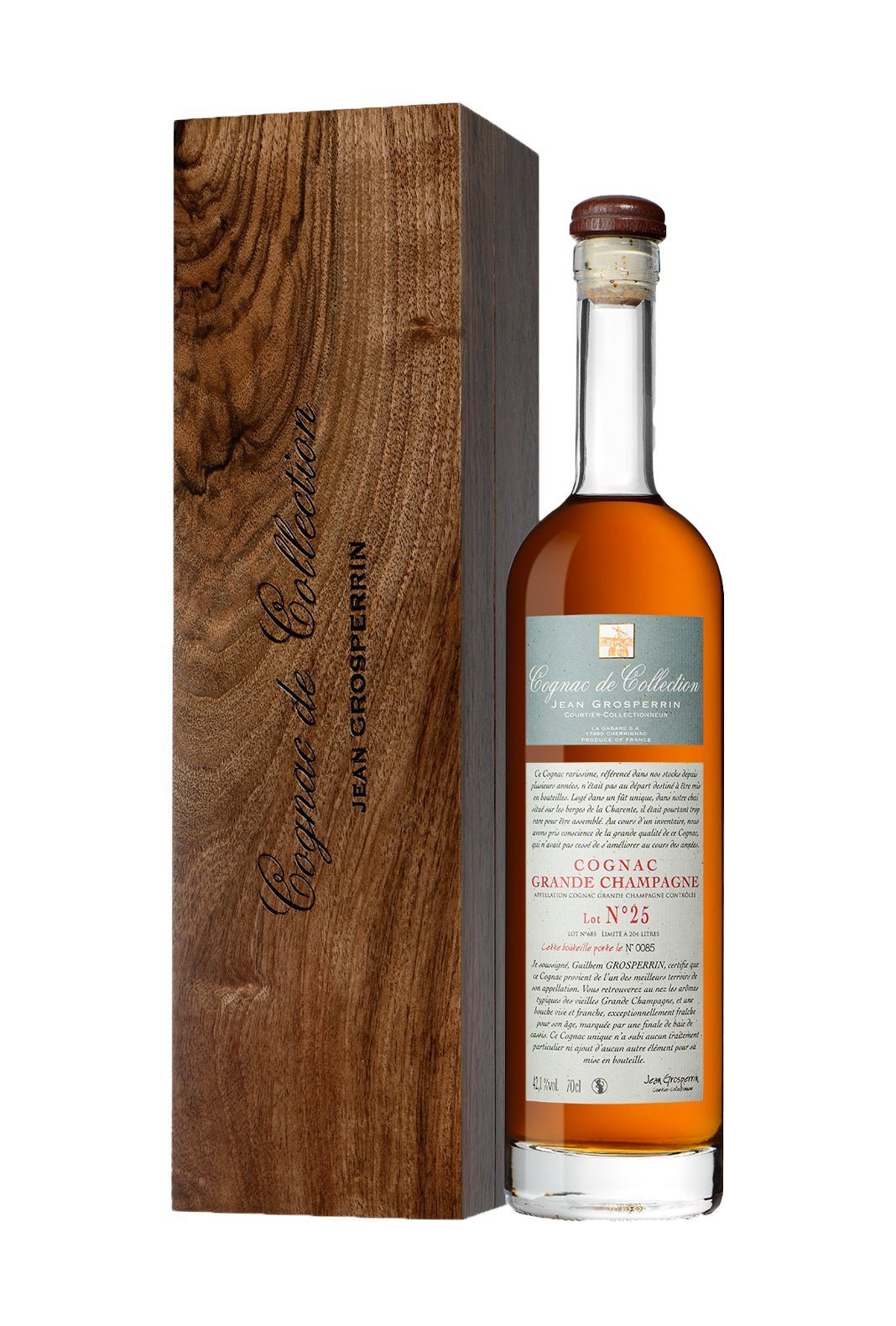
No 25 Grosperrin Cognac 1925 42.1% 700ml
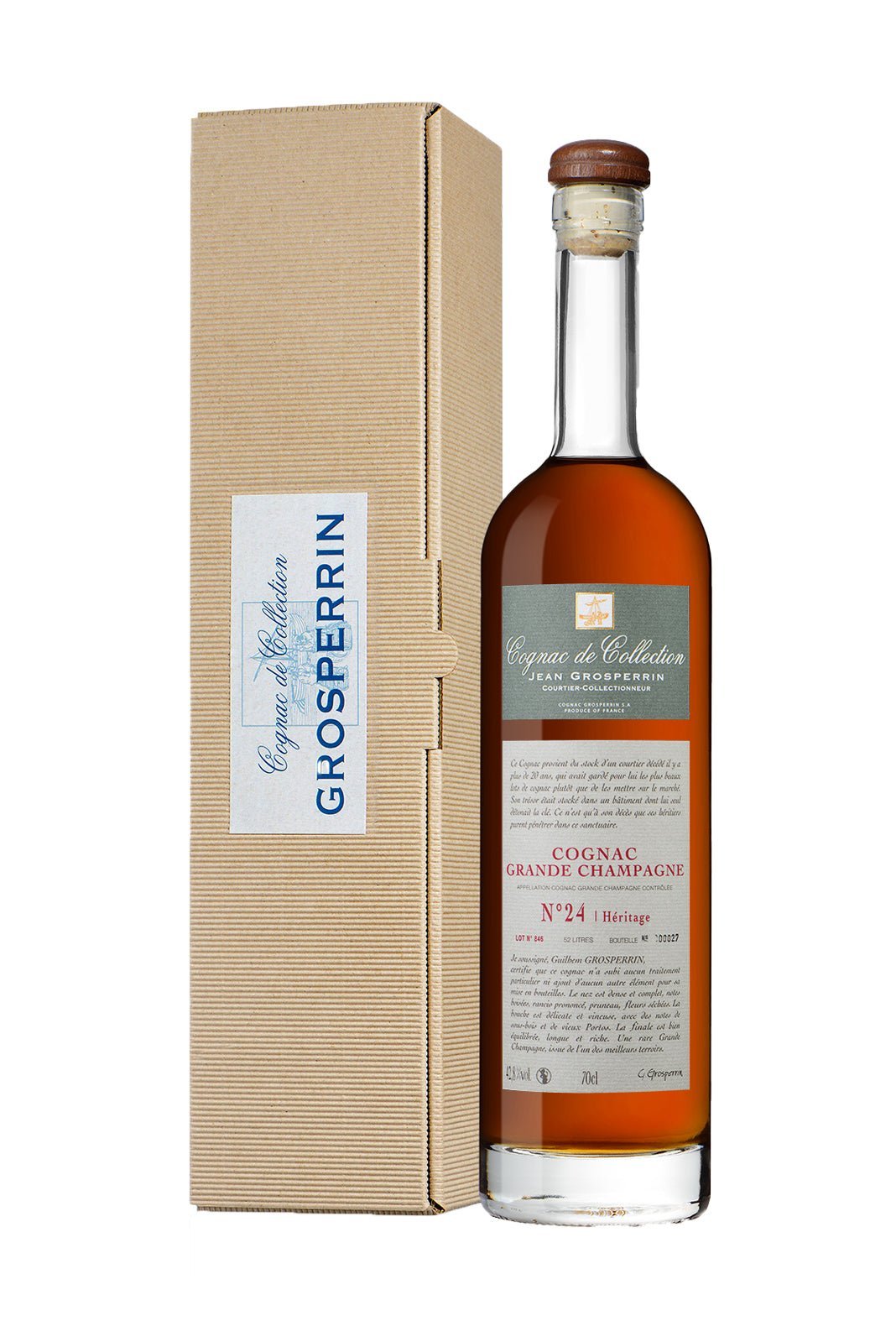
No 24 Grosperrin Cognac 1924 42.8% 700ml
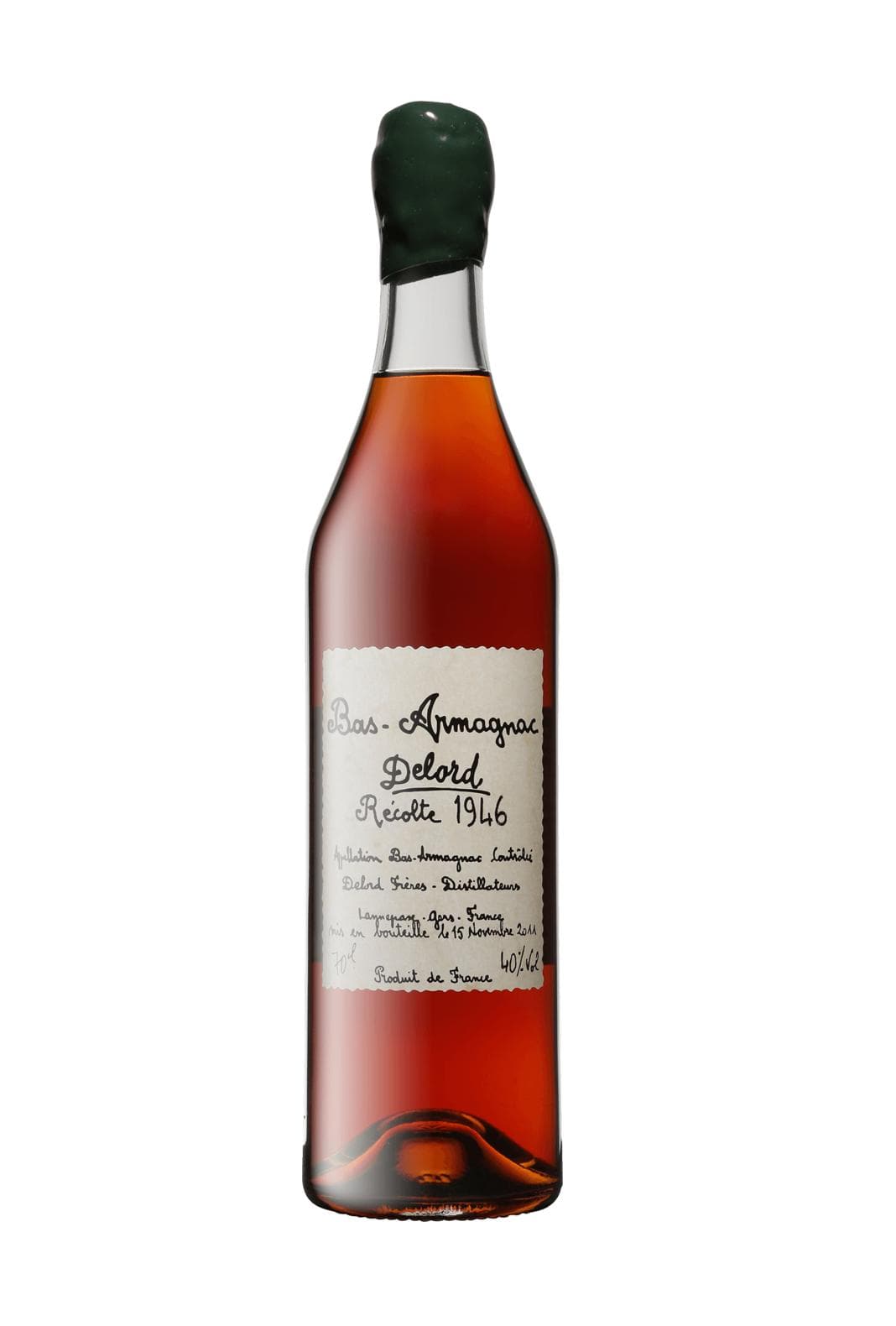
Delord 1946 Bas Armagnac 40% 700ml
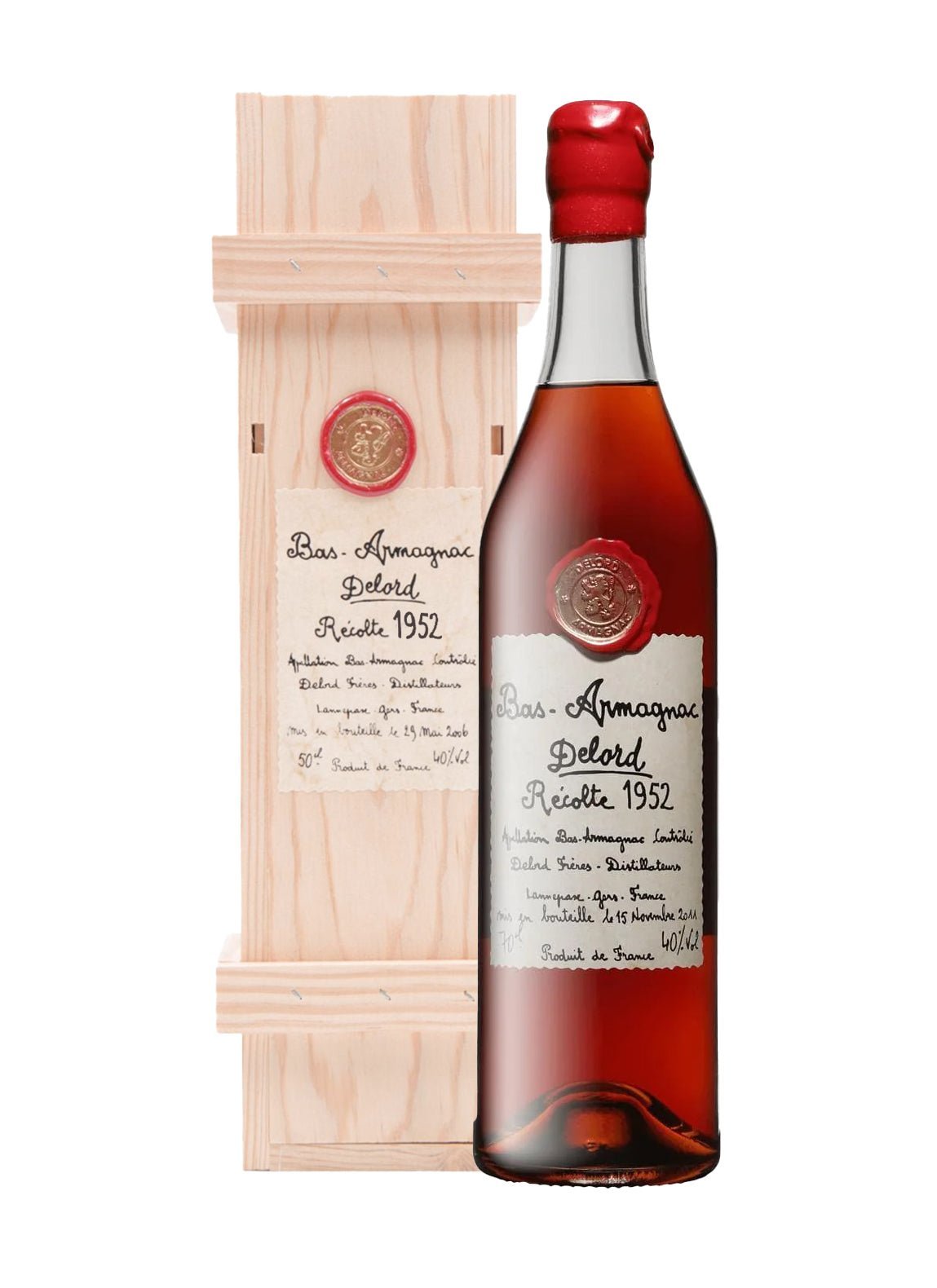
Delord 1952 Bas Armagnac 40% 700ml
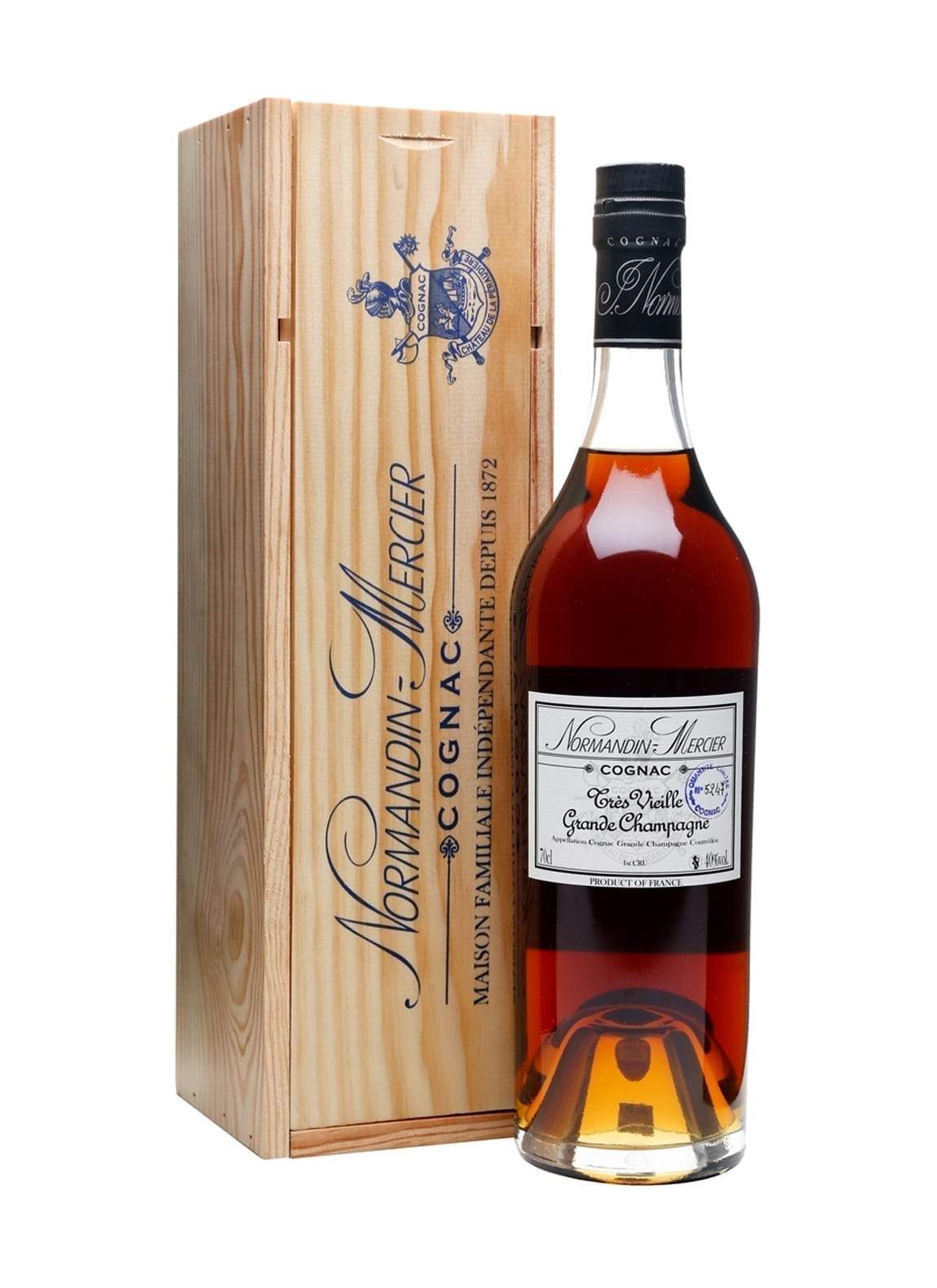
Normandin-Mercier Cognac Tres Vieille 100 years+ (1880-1914) Grand Champagne 40% 700ml
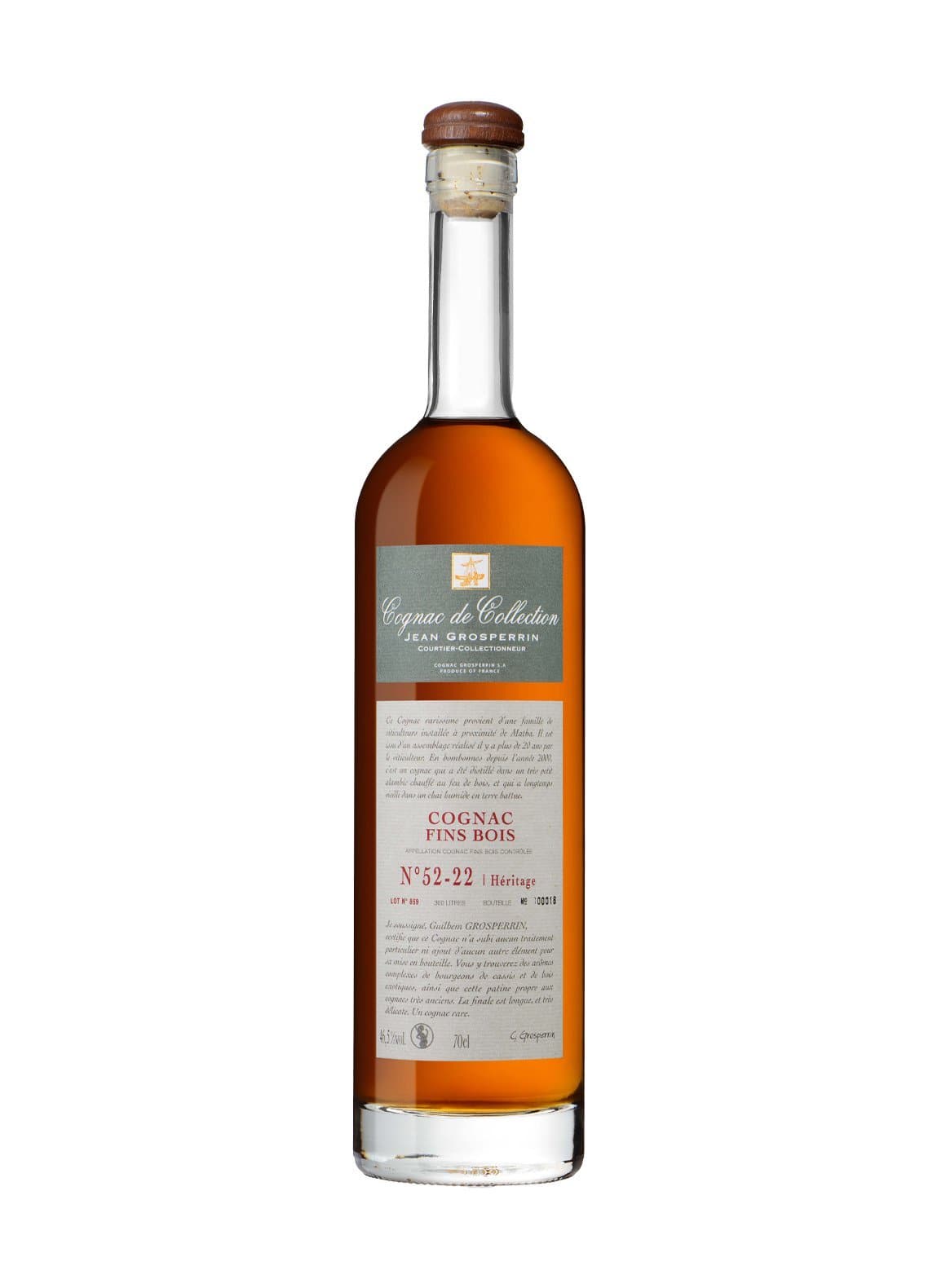
Grosperrin Cognac No.52-22 (Blend 1952 & 1922) Fins Bois 46.5% 700ml
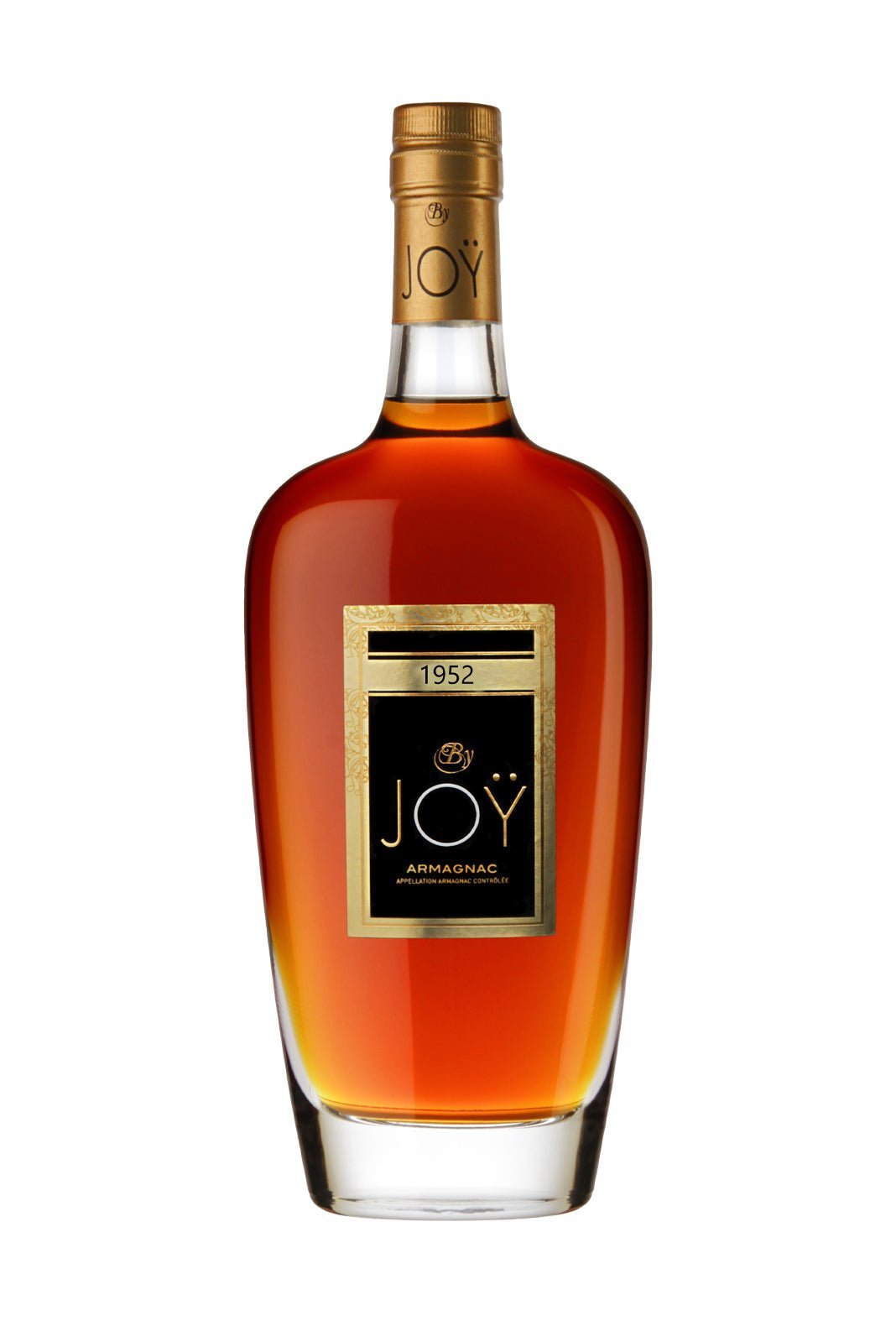
Domaine de Joy 1952 Armagnac 40.5% 700ml
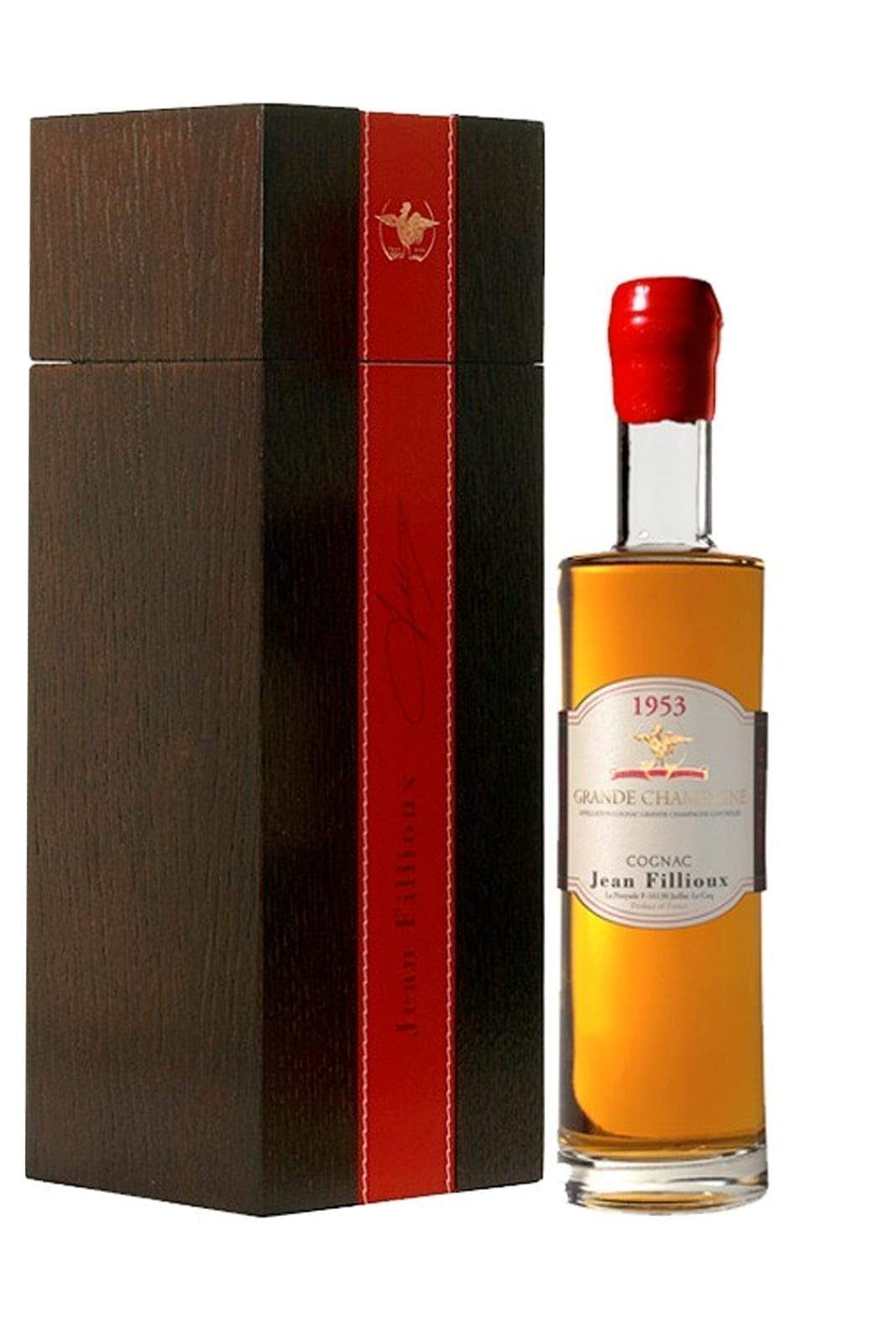
Jean Fillioux 1953 Cognac 42% 350ml
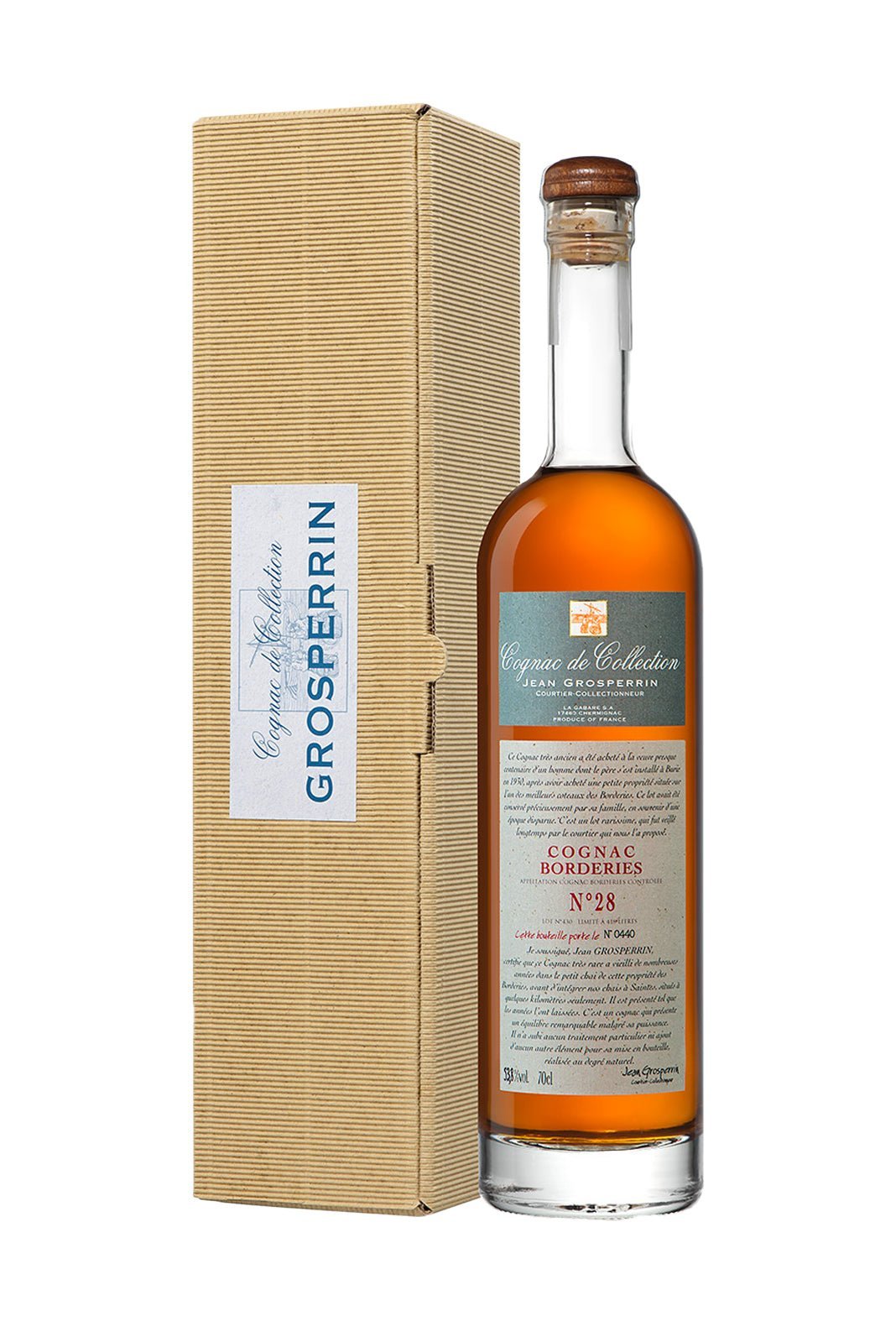
Grosperrin Cognac No.28 Borderies 53.8% 700ml
About Pre-1960 Vintages
Every bottle on this page was distilled before 1960. Most are single vintages: the spirit comes from one year's distillation and that year is printed on the label. Two are not, and we describe them as blends of years so the label is read correctly.
The Armagnac comes from Gascony. Delord 1952 Bas Armagnac and Delord Armagnac 1954, presented in a wooden gift box, are both bottled at 40%. Domaine de Joy 1952 Armagnac is bottled at 40.5%. Browse more in our Armagnac collection.
The Cognac spans a wider range of years. No 25 Grosperrin Cognac 1925 is a single vintage at 42.1%. Grosperrin Cognac No.52-22 is a Fins Bois blend of Cognac from 1952 and 1922, at 46.5%. Normandin-Mercier Tres Vieille is a Grande Champagne blend of eaux-de-vie from 1880 to 1914, labelled 100 years+, at 40%.
For birth years, a person born in 1952 turns 74 in 2026 and a person born in 1954 turns 72. Our guide to birth year spirits covers how to choose, and our Cognac and Armagnac Christmas gift guide covers presenting them. You can also see the full vintage range or move forward to the 1960s.
History
Delord traces its story to 1893, when Prosper Delord took his travelling still from farm to farm to make Armagnac. In 1932 his sons Gaston and Georges set up the house Delord Frères in Lannepax, in the Gers. Delord keeps its oldest vintages in glass bonbonnes, away from light, in a room it calls Paradise, and its cellars hold more than 1000 barrels.
Domaine de Joy is at Panjas, also in the Gers, on what the estate describes as typical Bas Armagnac terroir. Its story began with a Swiss family, Paul and Marguerite Gessler, who settled on the estate, and it is now run by the fourth generation, Vanessa and Kévin Gessler. The estate distils its own Armagnac in a traditional still and ages it in locally sourced oak.
Grosperrin is a family Cognac house that began in 1999, when Jean Grosperrin, a broker who had spent years visiting small distillers across the appellation, bought a few casks of old Cognac. Guilhem Grosperrin took over the business in 2004. The collection includes old Cognacs that had been held privately by families. They age in flood cellars on the banks of the Charente, and the house says Cognacs over 50 years old are never reduced.
Normandin-Mercier, near La Rochelle, has been selecting Cognac since 1872, and its approach has passed through five generations. Its Tres Vieille draws on Grande Champagne, the cru named on the label.
How to drink it
Old spirits reward a slow start. Pour about 30ml, neat, at room temperature, into a tulip glass or a small snifter. Let it sit for ten minutes before tasting: spirits that have spent decades in oak and glass often open up with a little air.
Keep ice and mixers away from these bottles. Cold dulls aroma, and aroma is much of what makes an old Armagnac or Cognac interesting. Water is optional at 40% to 42.1%. At 46.5%, as with the Grosperrin No.52-22, a few drops can help: add them slowly and taste as you go.
Compare rather than rush. If you have two bottles open, pour small measures side by side: Armagnac against Cognac, or a single vintage against a blend of years. Differences in fruit, spice and wood are easier to notice together than on separate nights.
Once opened, keep the bottle upright, tightly sealed and out of direct light. A bottle bought for a birthday dinner can stay closed on the shelf until the day: there is no need to open it early.
For a gift, the Delord 1954 comes in a wooden box ready to wrap. A short card noting the year and why it matters to the person often means as much as the bottle itself.
Serve to guests aged 18 and over, pour modest measures, and plan a safe way home for everyone at the table.