
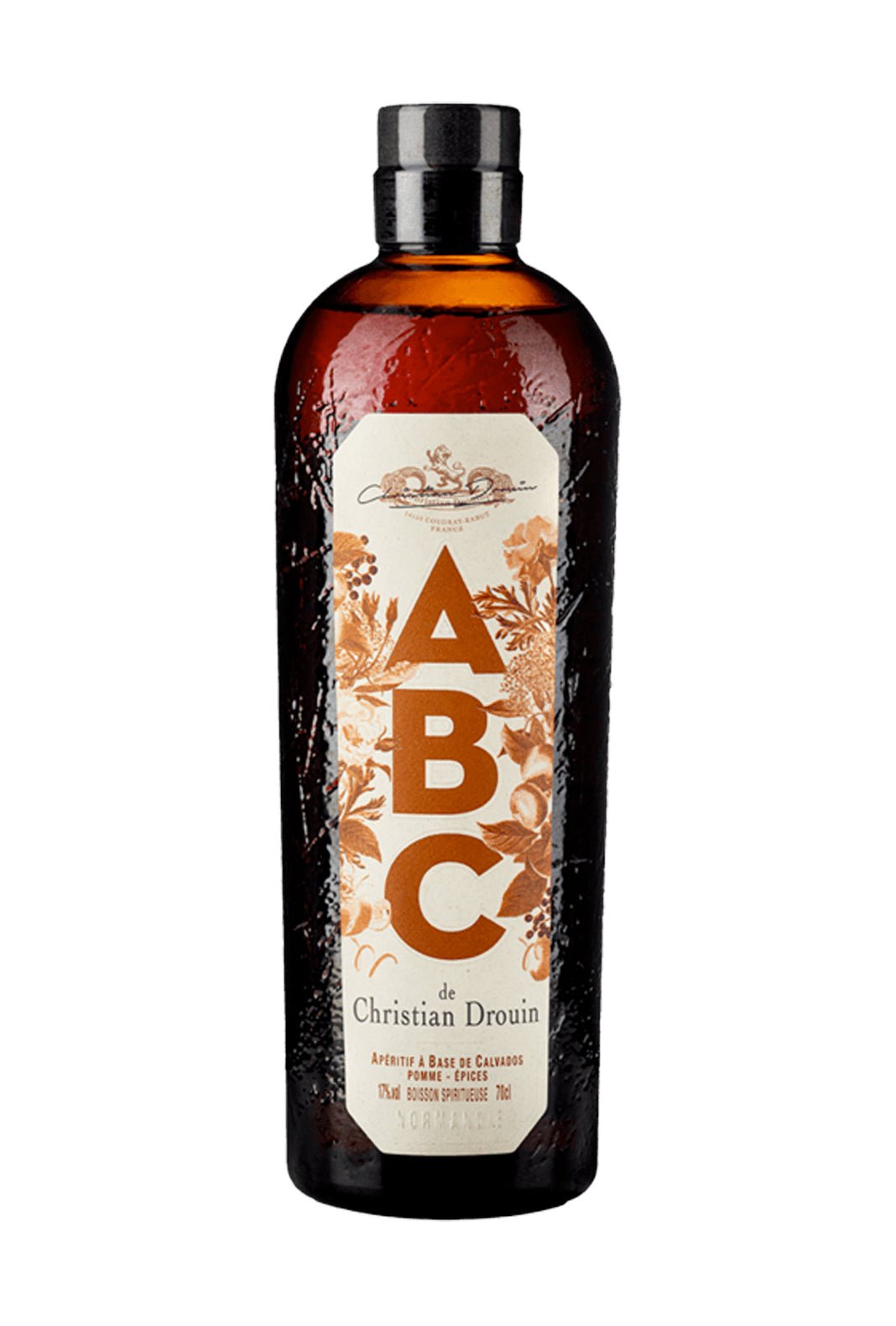
Christian Drouin ABC Apple Aperitif Vermouth 17% 700ml
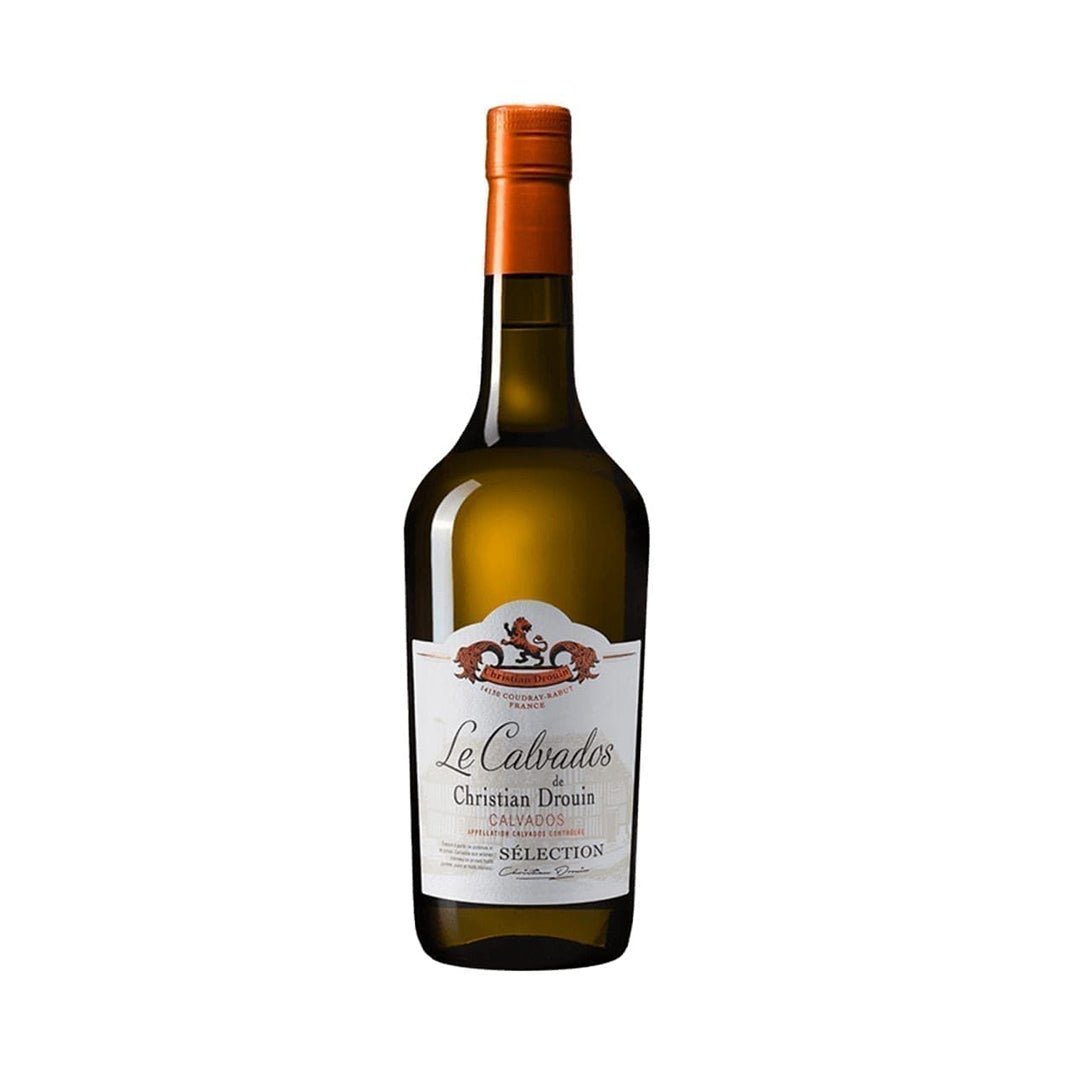
Christian Drouin Selection Calvados 40% 350ml
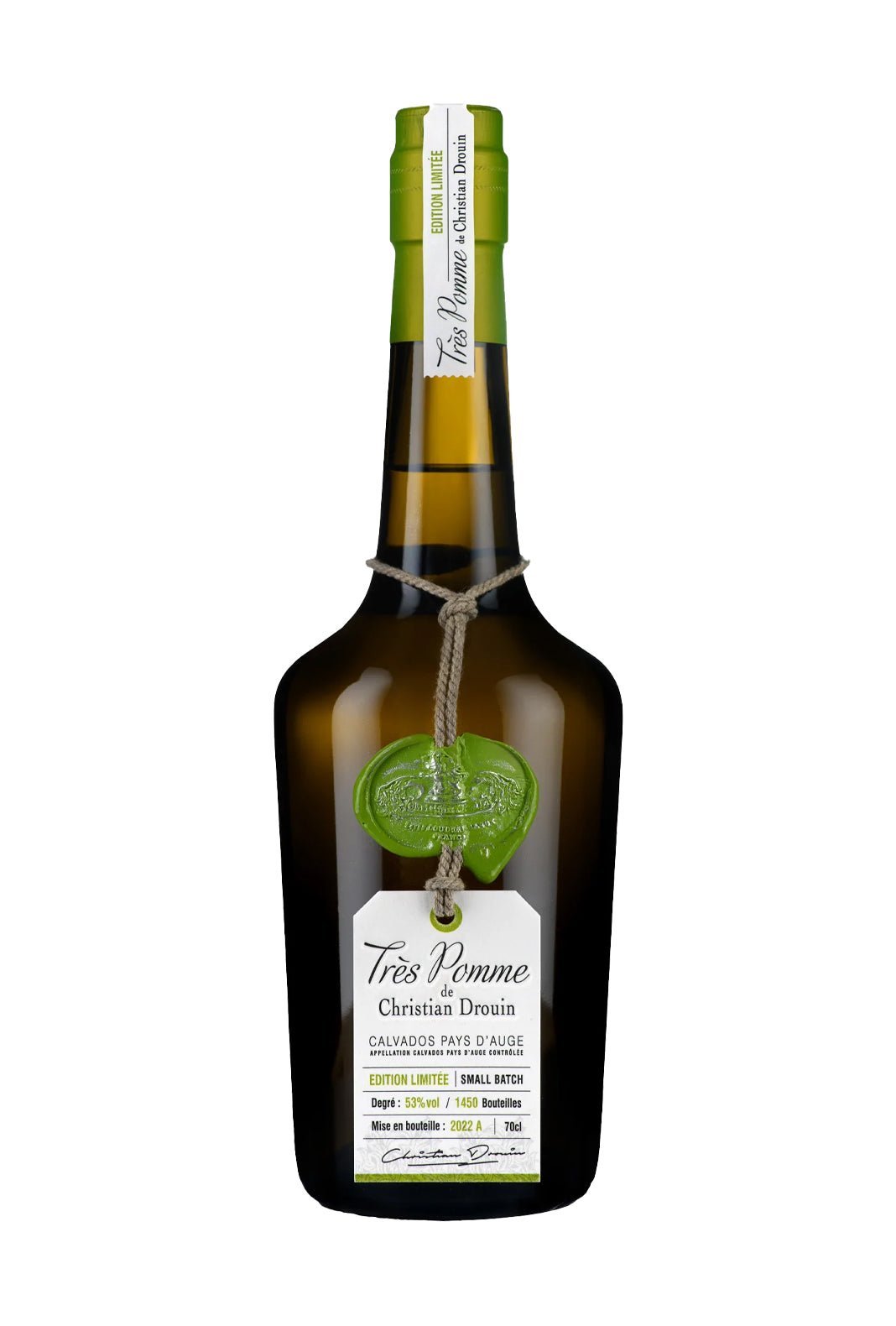
Christian Drouin Tres Pomme Calvados 53% 700ml
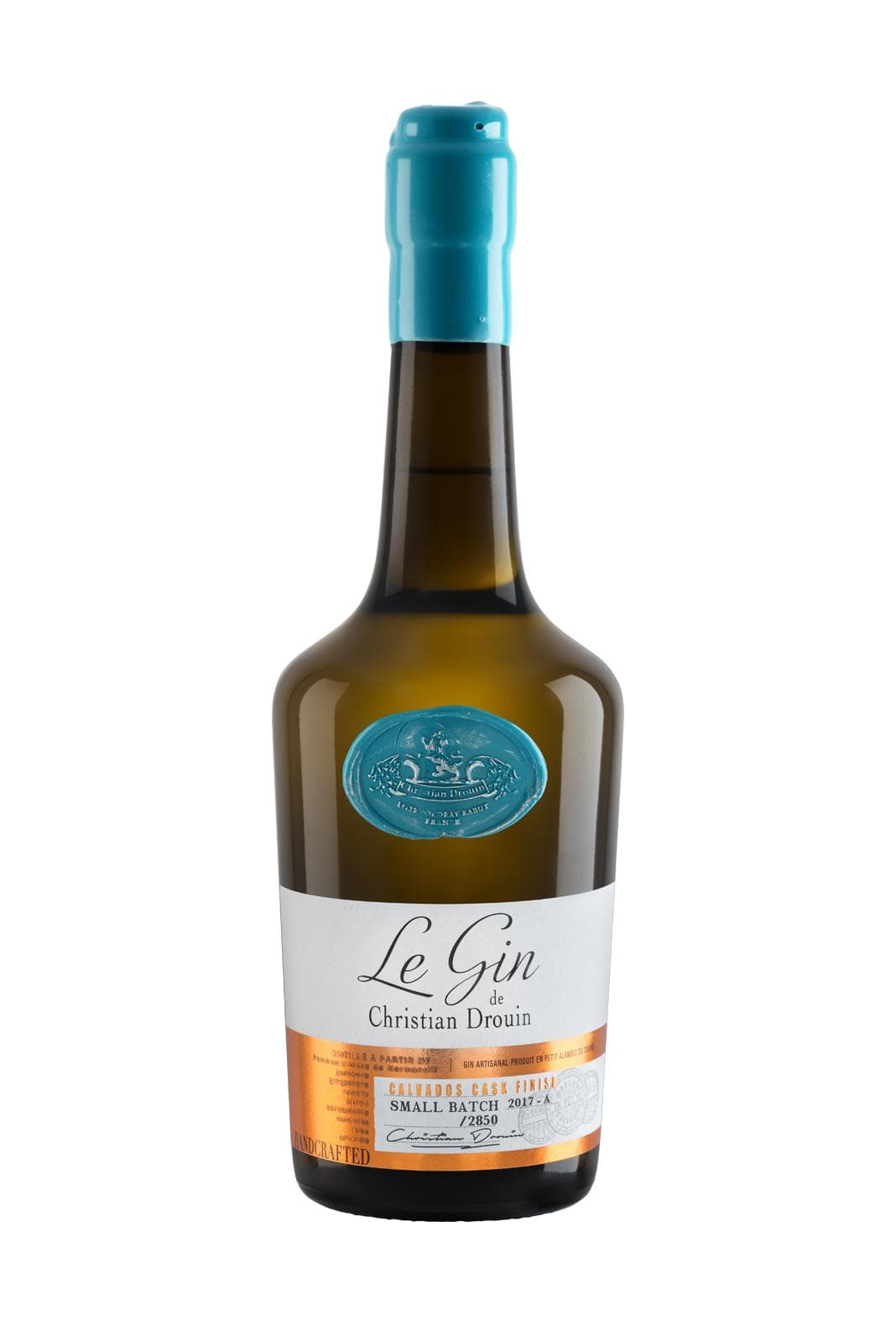
Christian Drouin Gin 'Le Gin' Calvados cask finish 42% 700ml
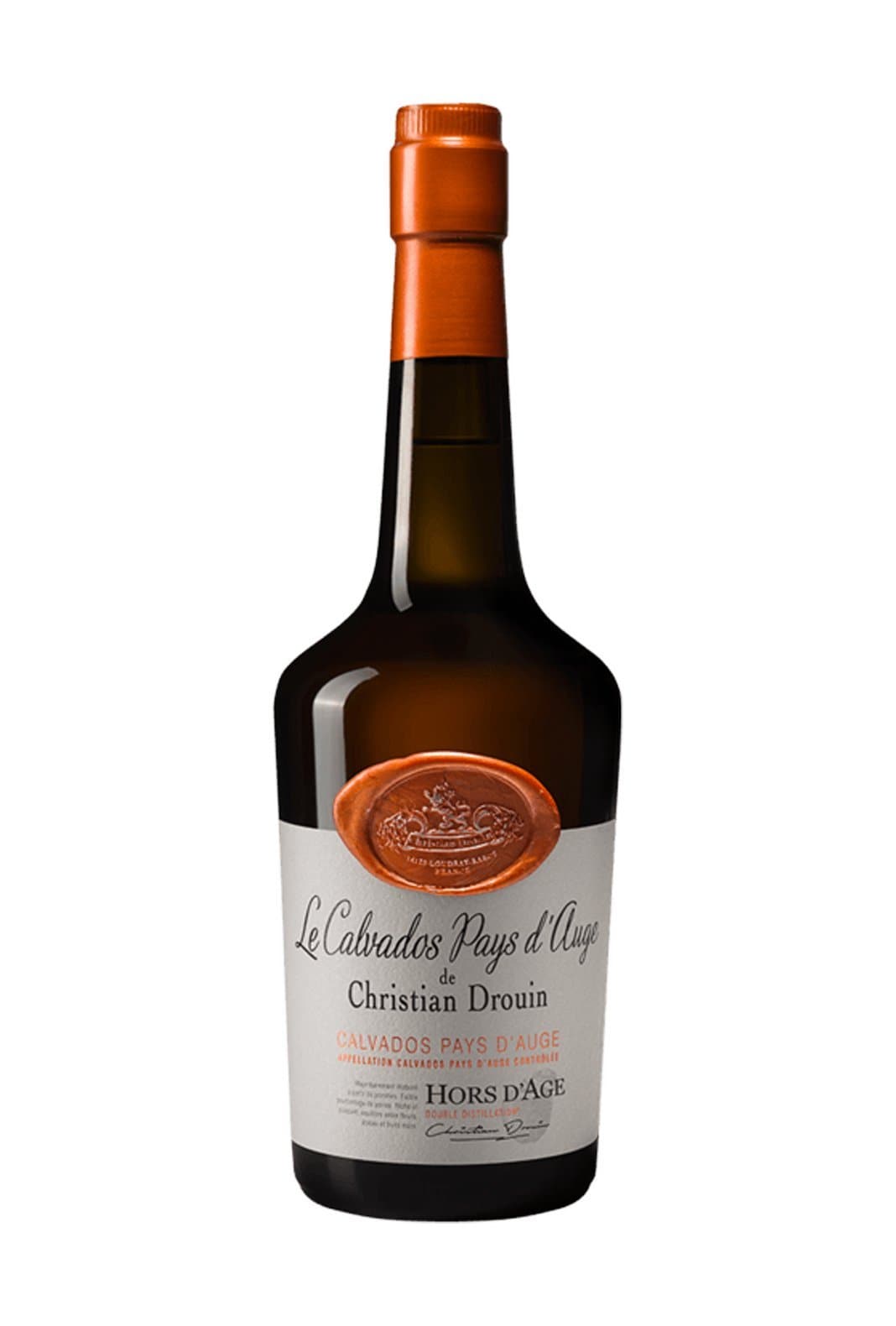
Christian Drouin Hors D’Age Calvados Pays d’Auge 42% 700ml
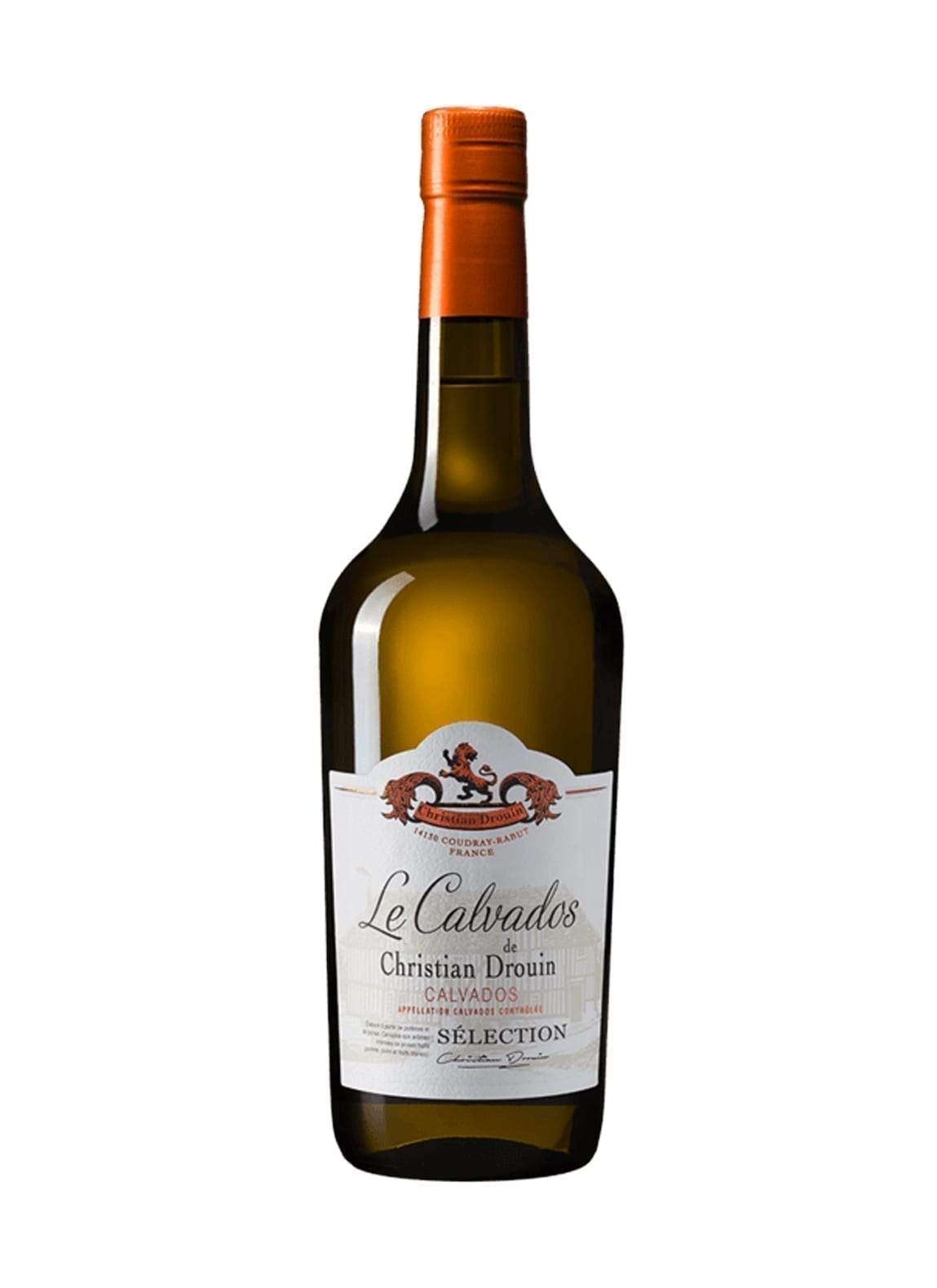
Christian Drouin Sélection Calvados 40% 700ml
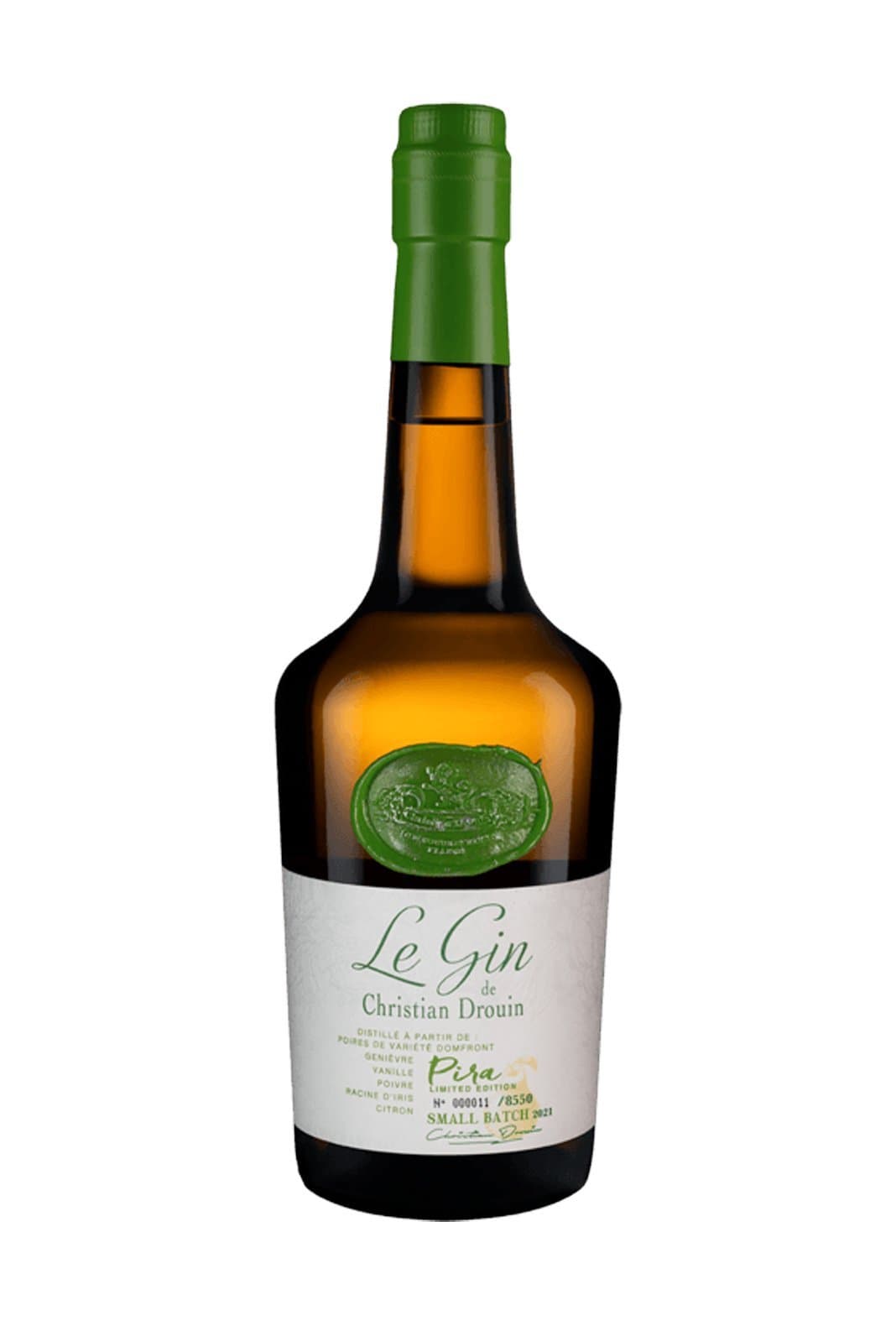
Christian Drouin Pira Gin 42% 700ml
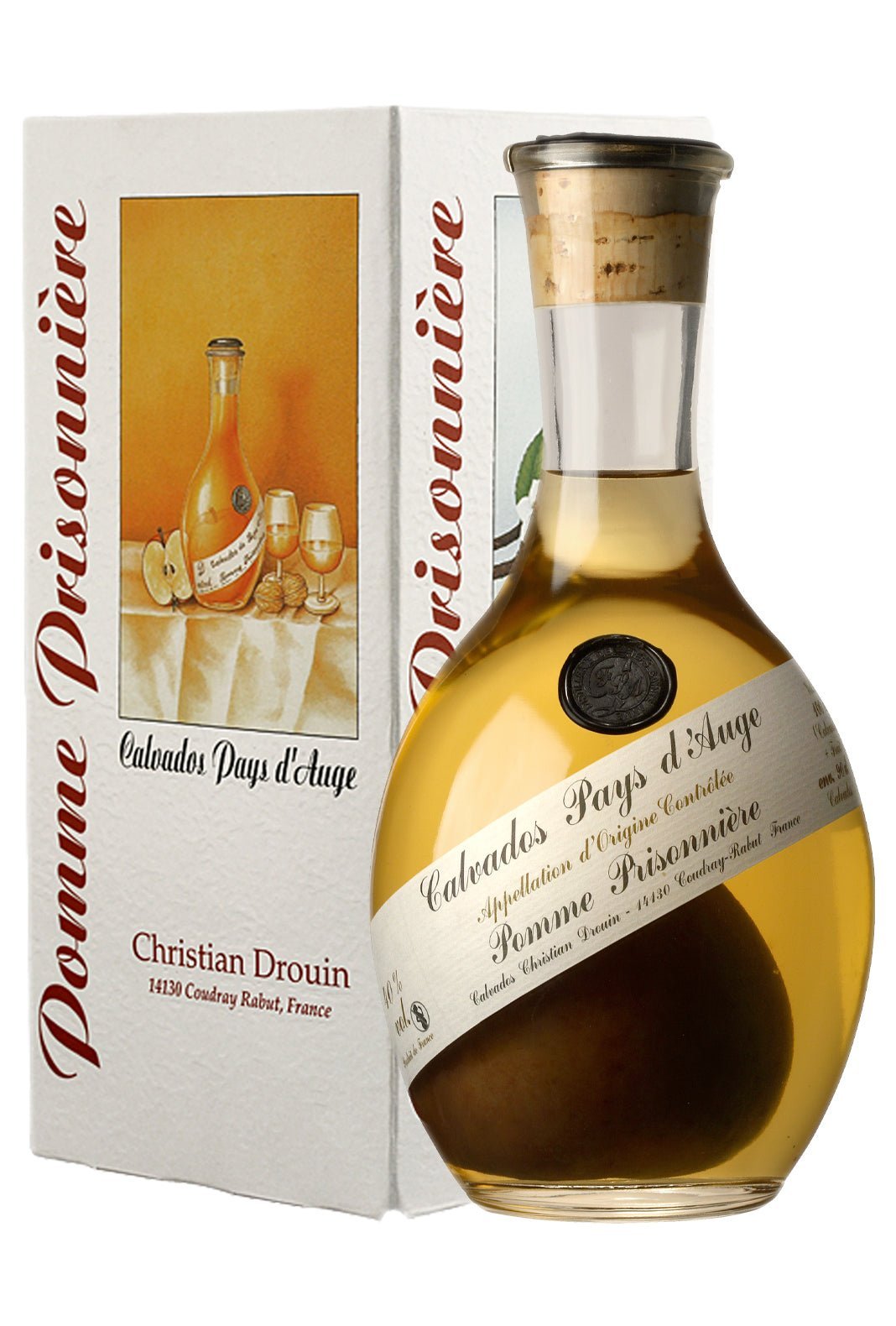
Christian Drouin Pomme Prisonniere 40% 1L
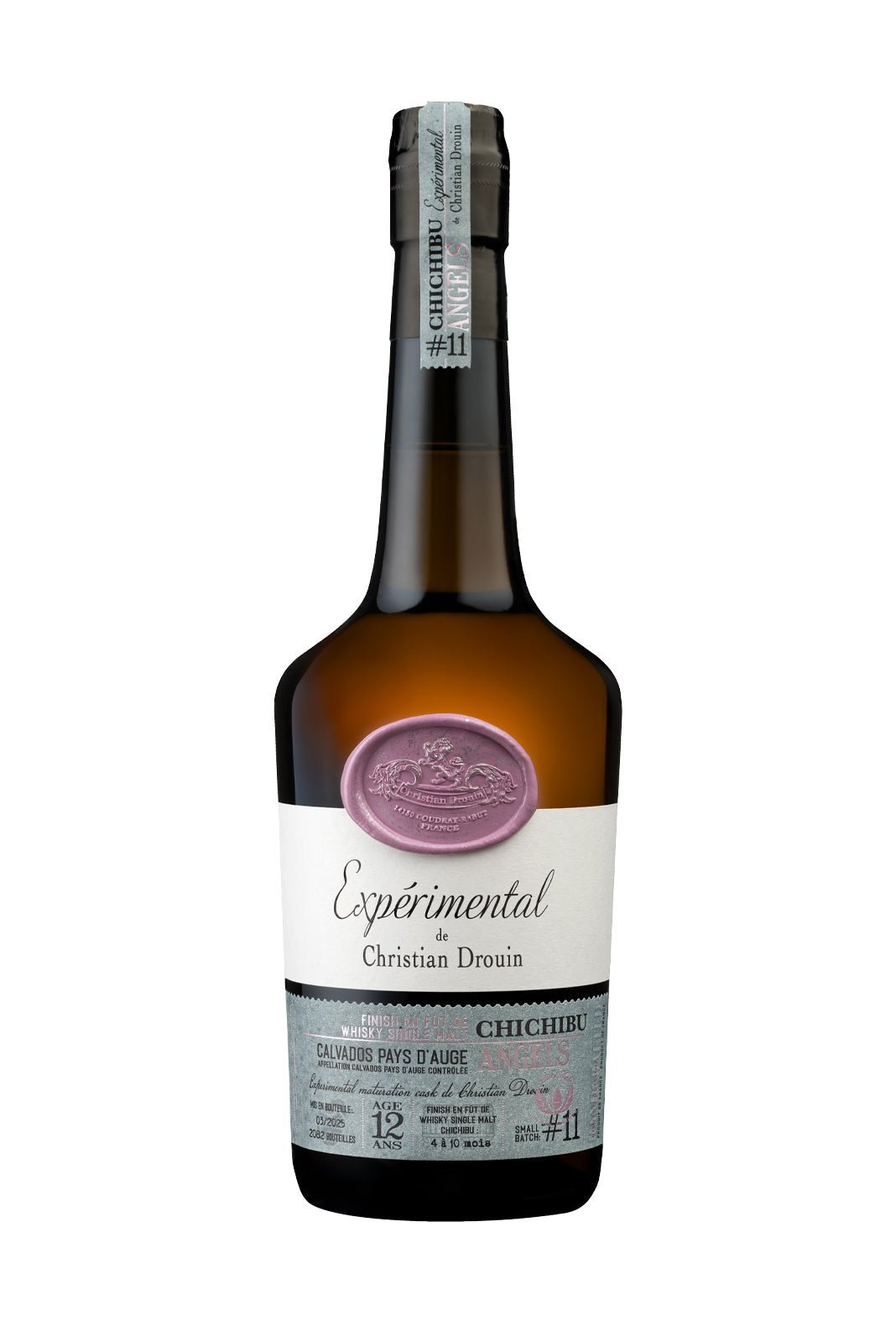
Christian Drouin Chichibu Angels Casks 12 years 45.3% 700ml
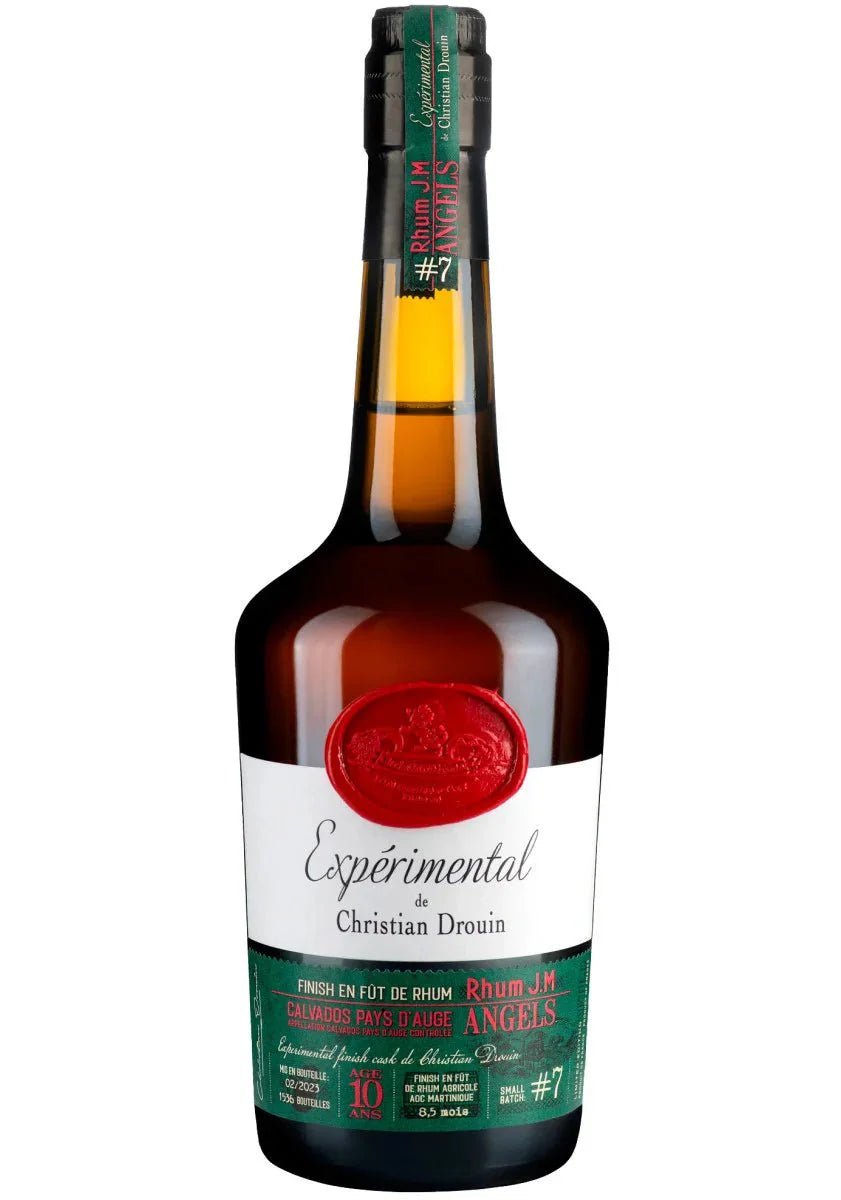
Christian Drouin Calvados 10 Years JM Rhum finish 46.5% 700ml
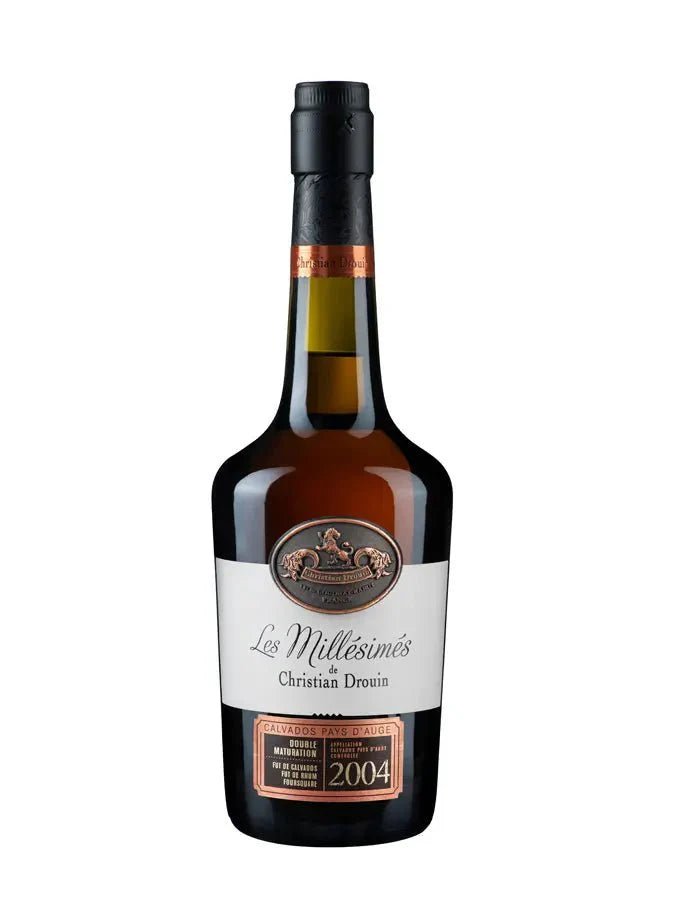
Christian Drouin 2004 Pays d'Auge Calvados 42% 700ml
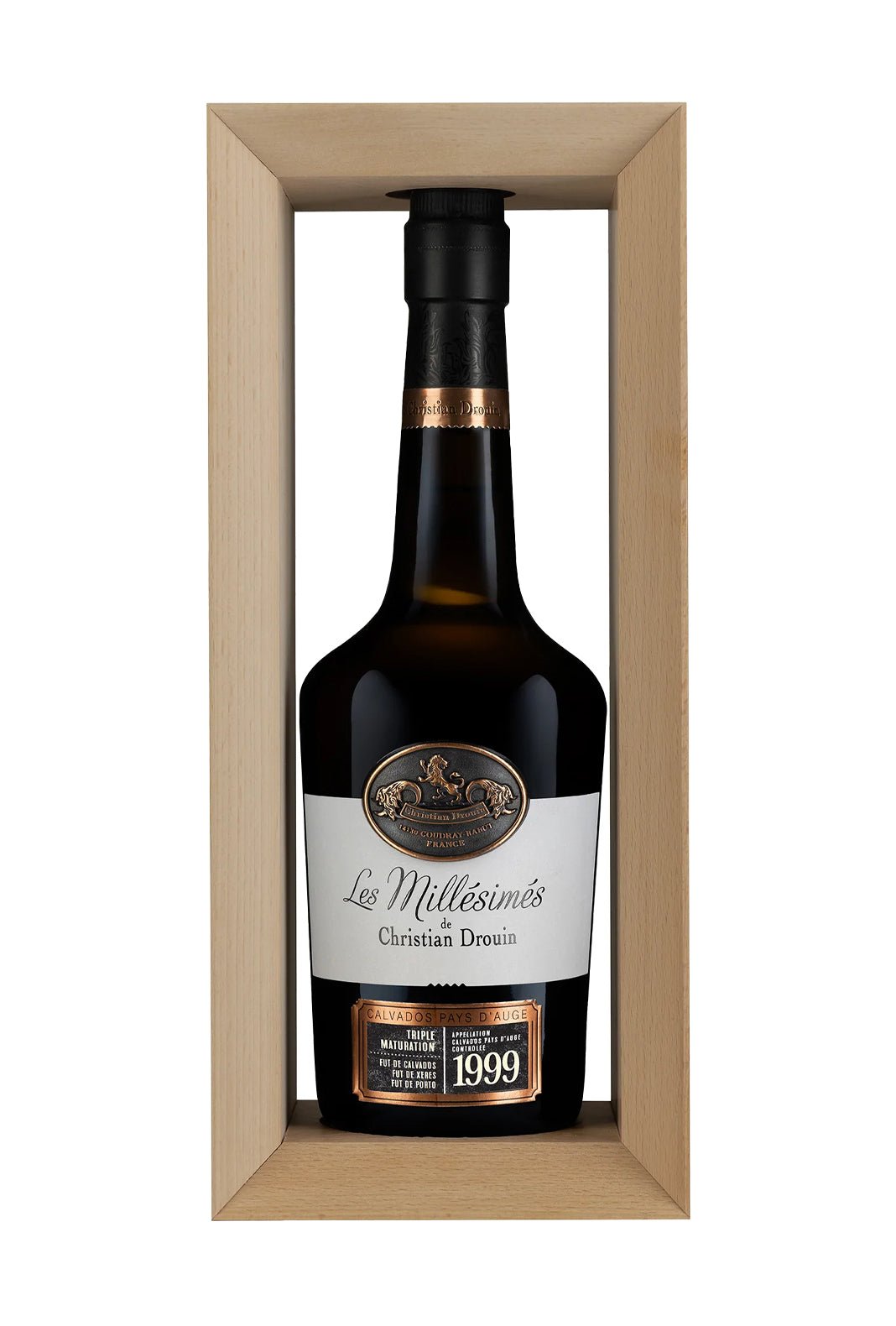
Christian Drouin Calvados Vintage 1999 42% 700ml
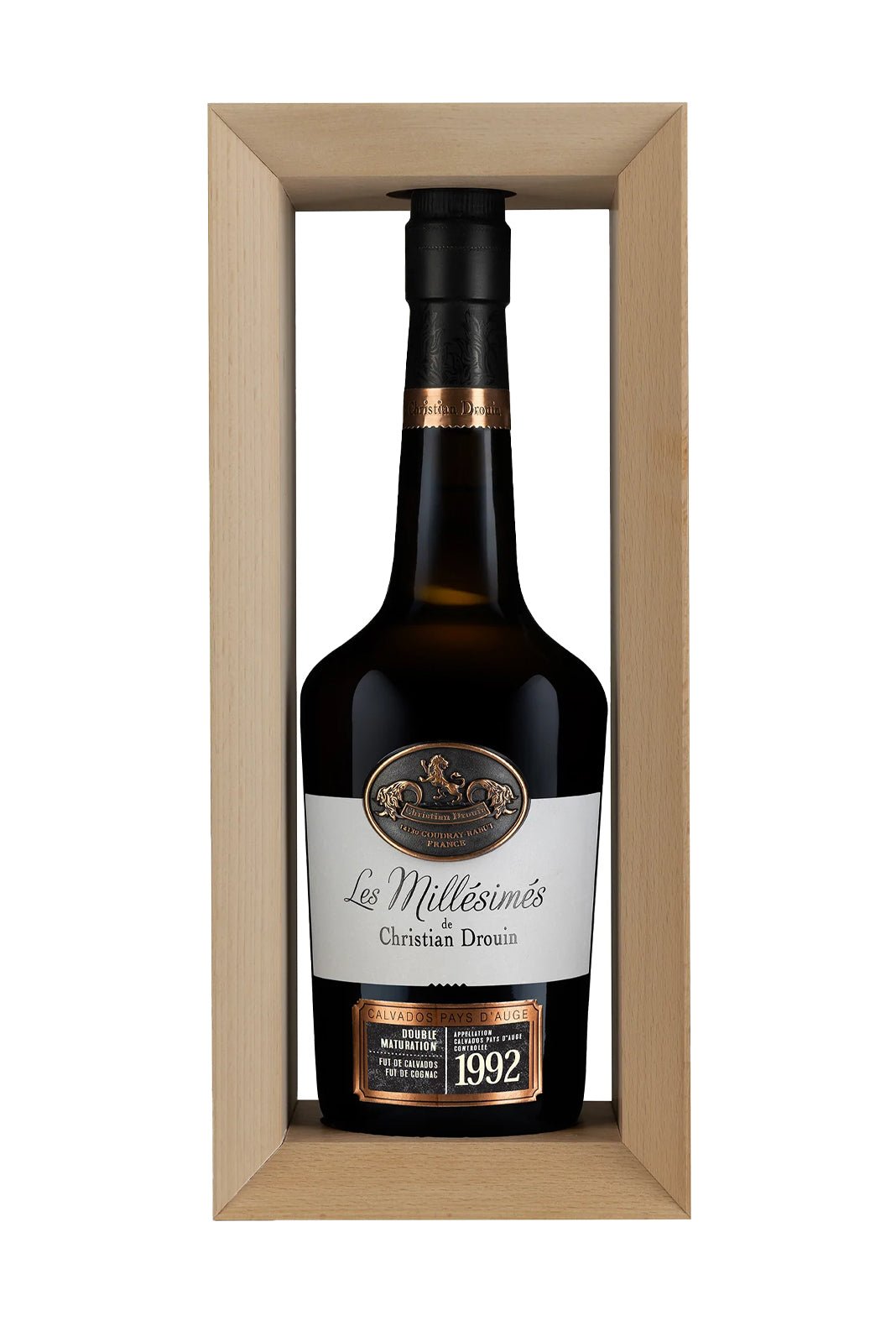
Christian Drouin 1992 Calvados Pays d'Auge 42% 700ml
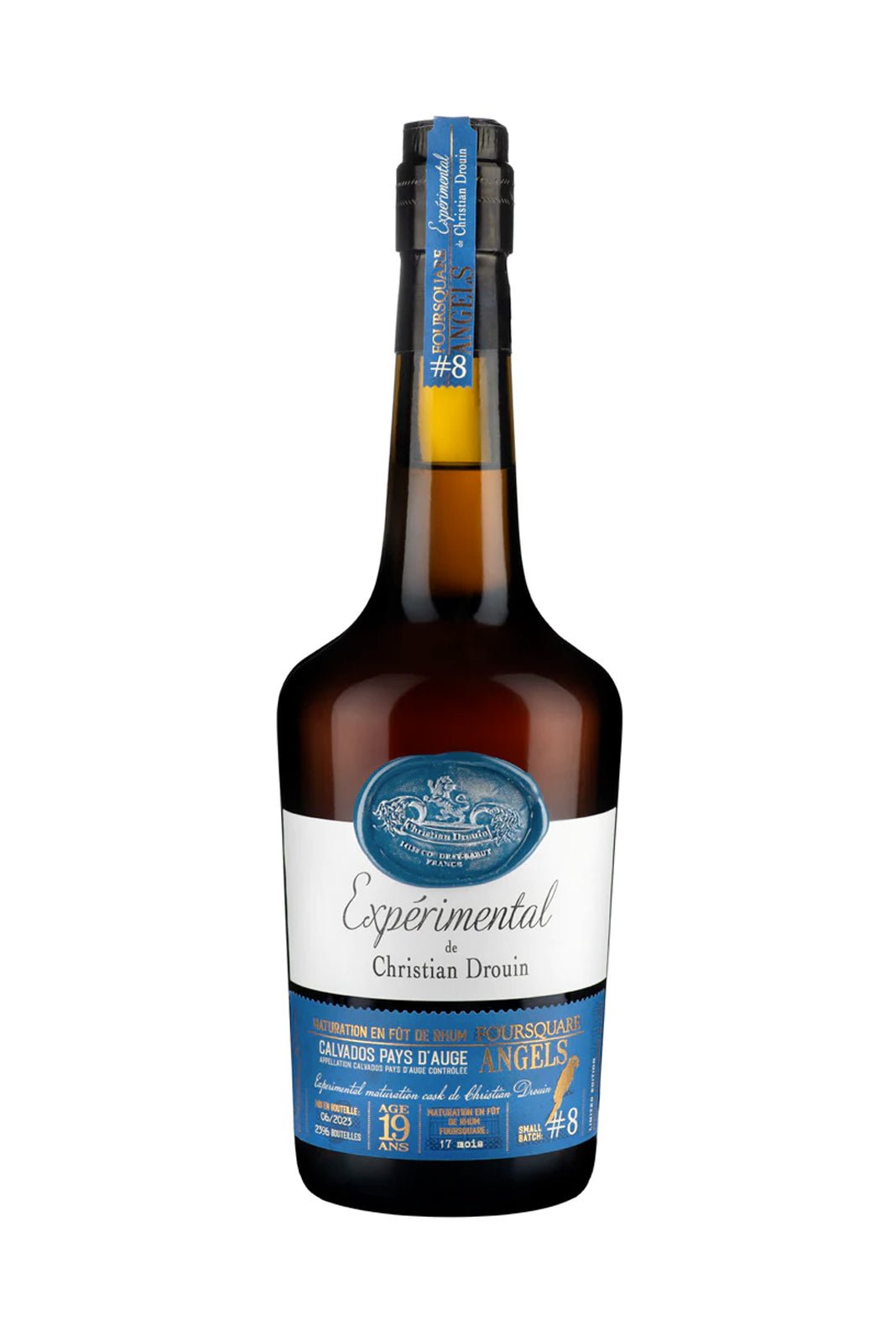
Christian Drouin Pays d'Auge Foursquare 19 years Calvados 46.8% 700ml
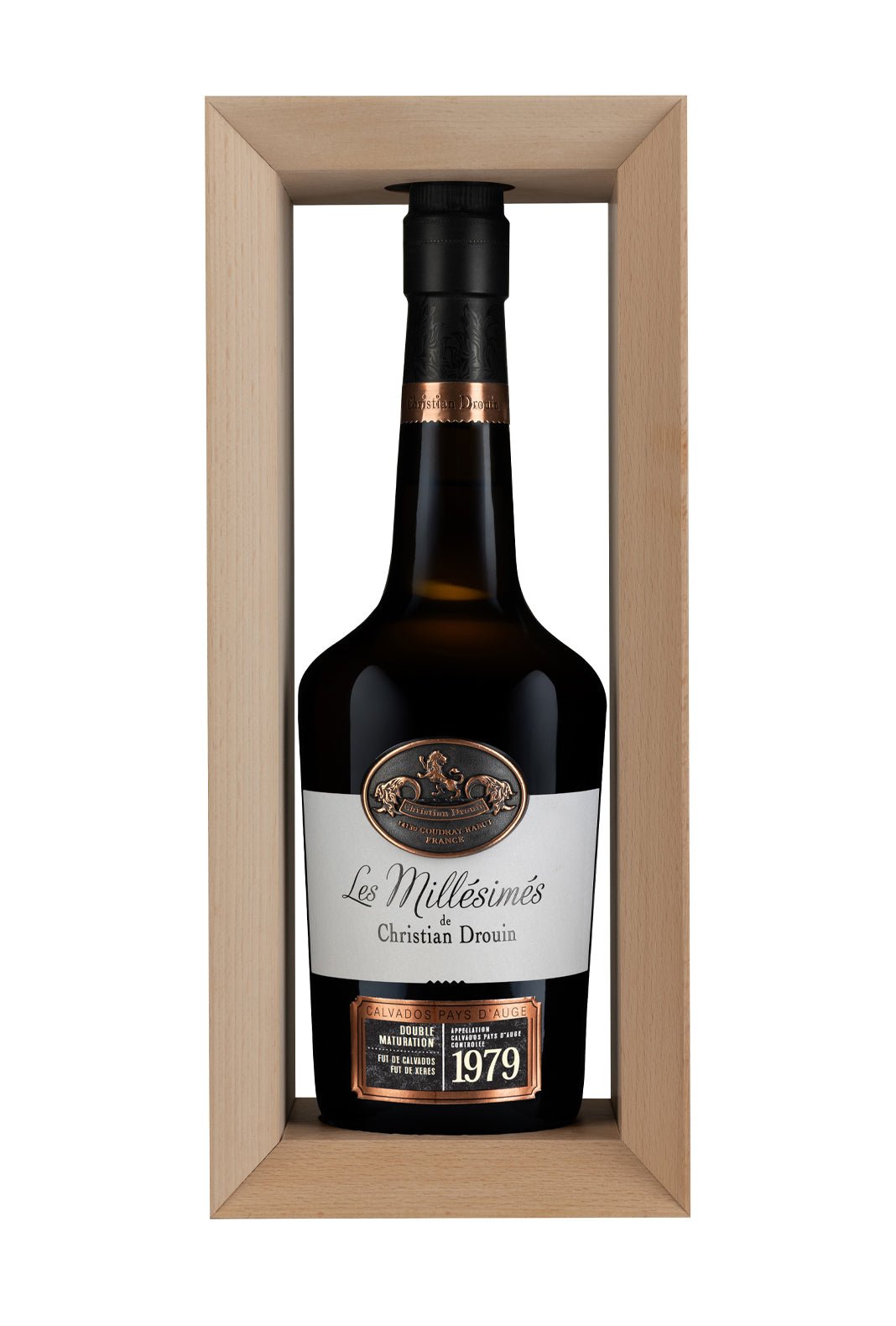
Christian Drouin Calvados 1979 Pays D'Auge 40% 700ml
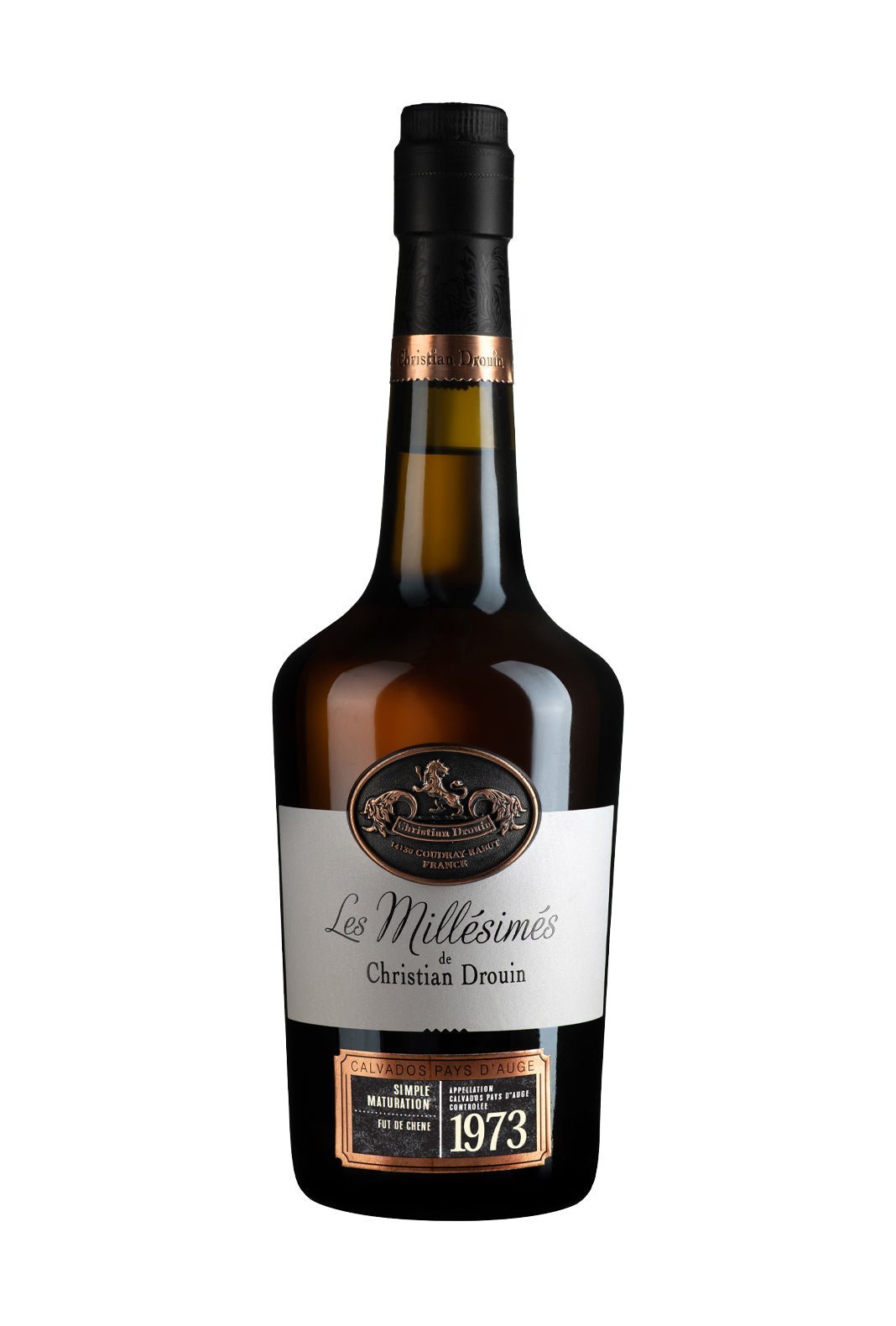
Christian Drouin Calvados 1973 Pays D'Auge 42% 700ml
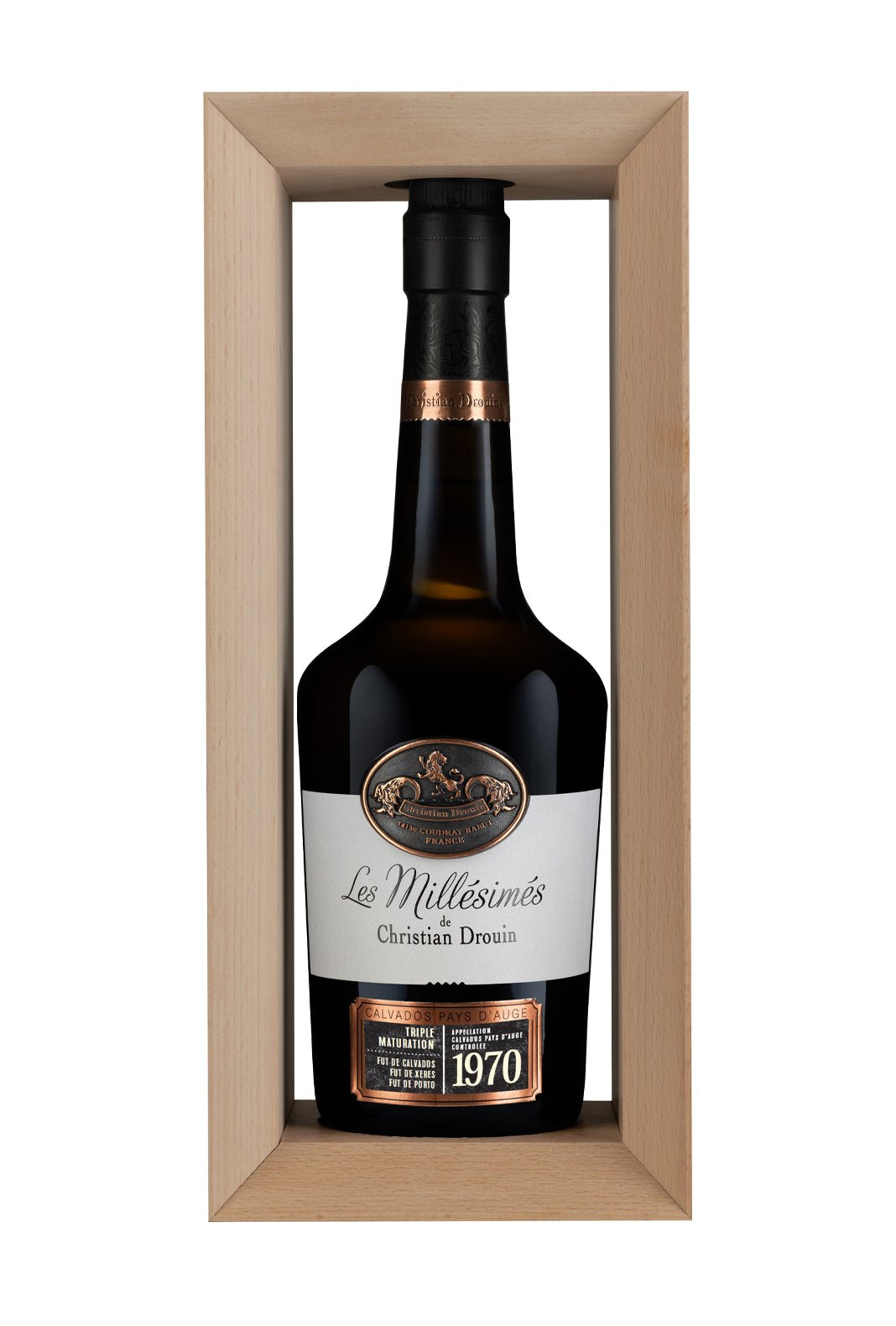
Christian Drouin 1970 Calvados Pays d'Auge 42% 700ml
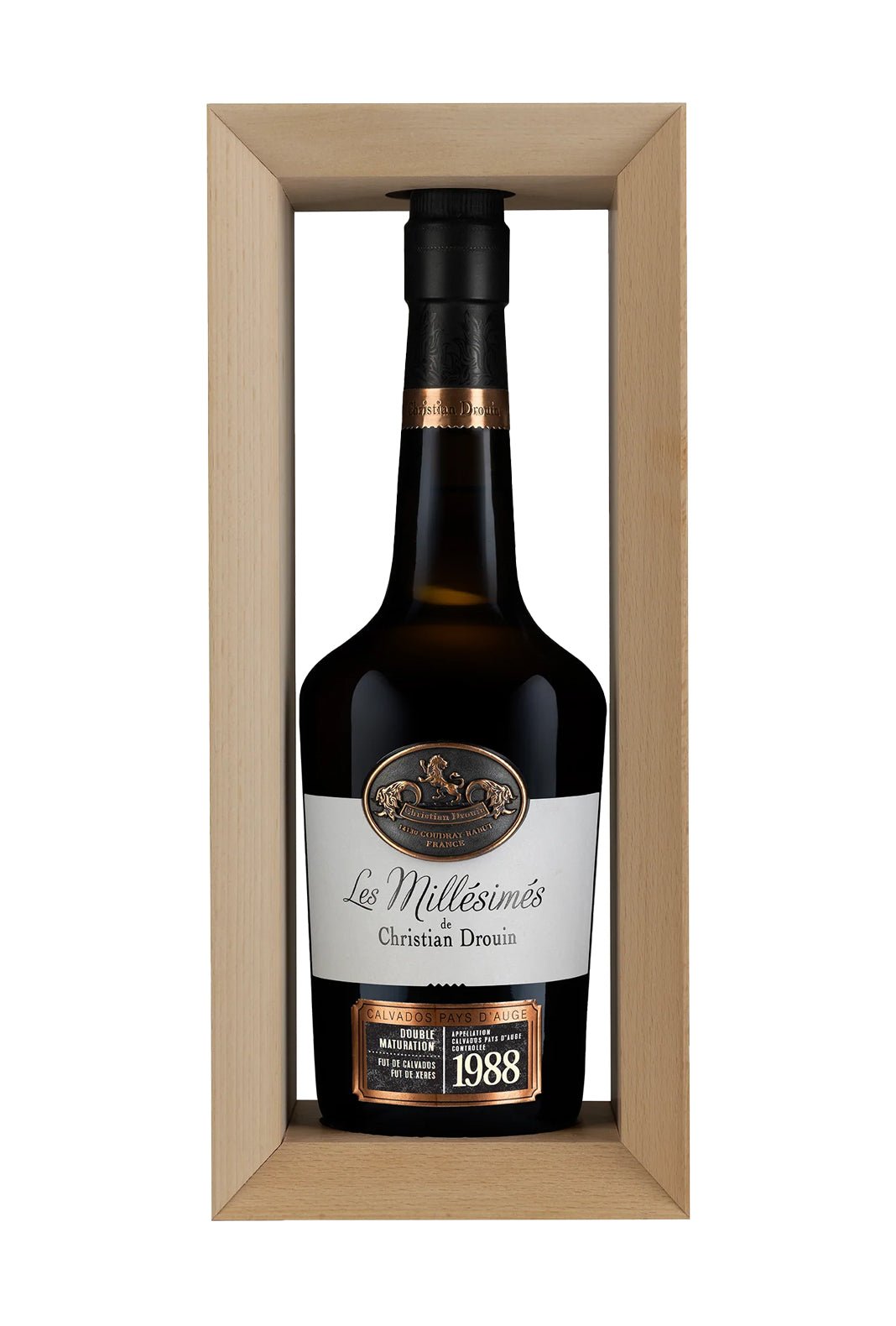
Christian Drouin 1988 Calvados Pays d'Auge 42% 700ml
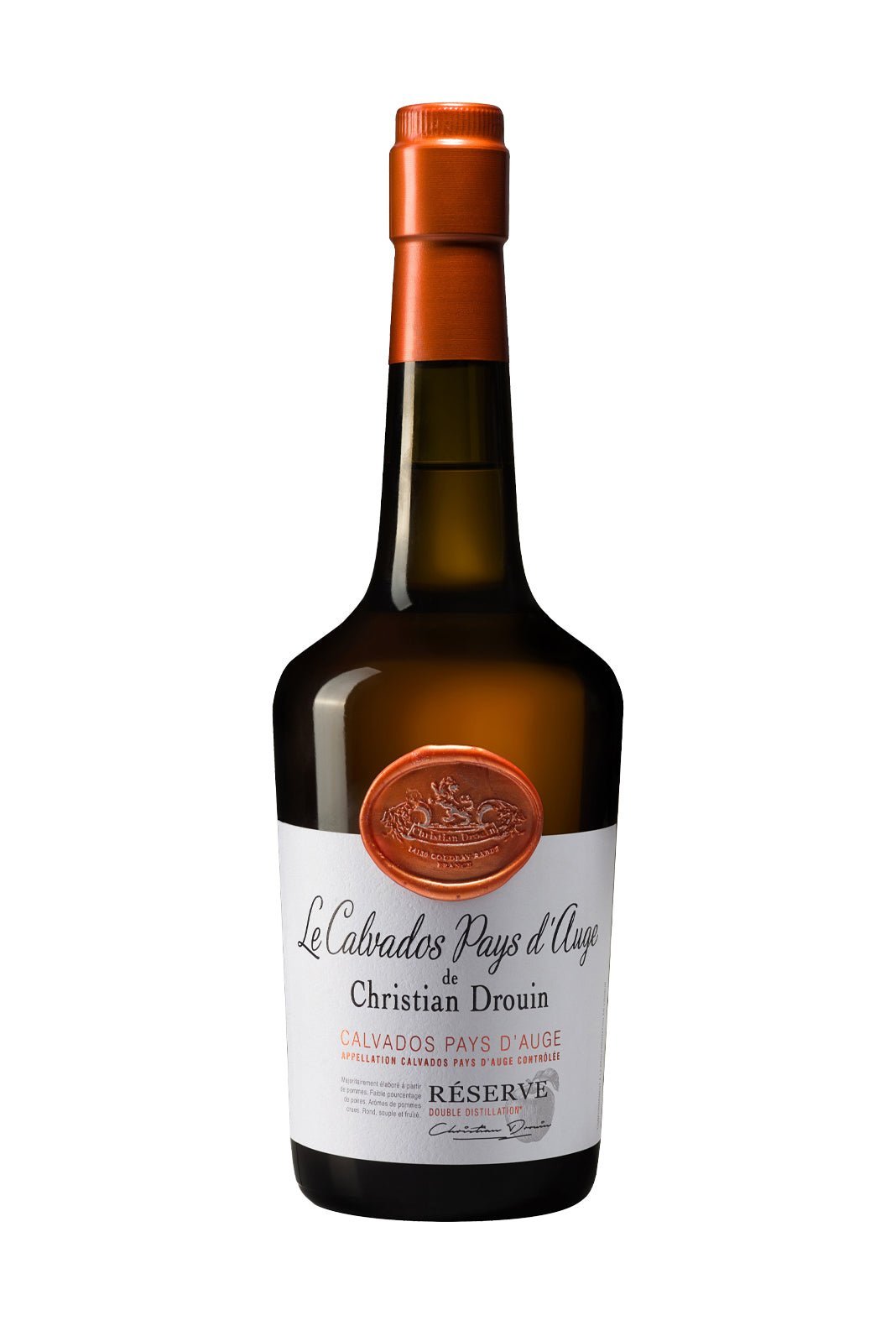
RESERVE Calvados Drouin 40% 700ml
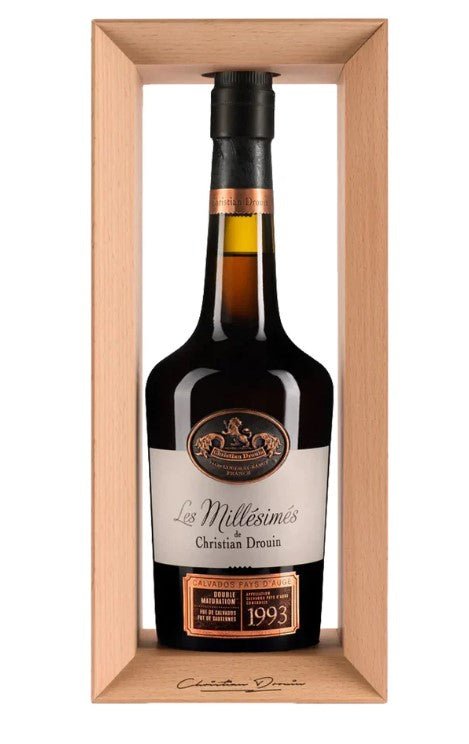
1993 Drouin Calvados 42% 700ml
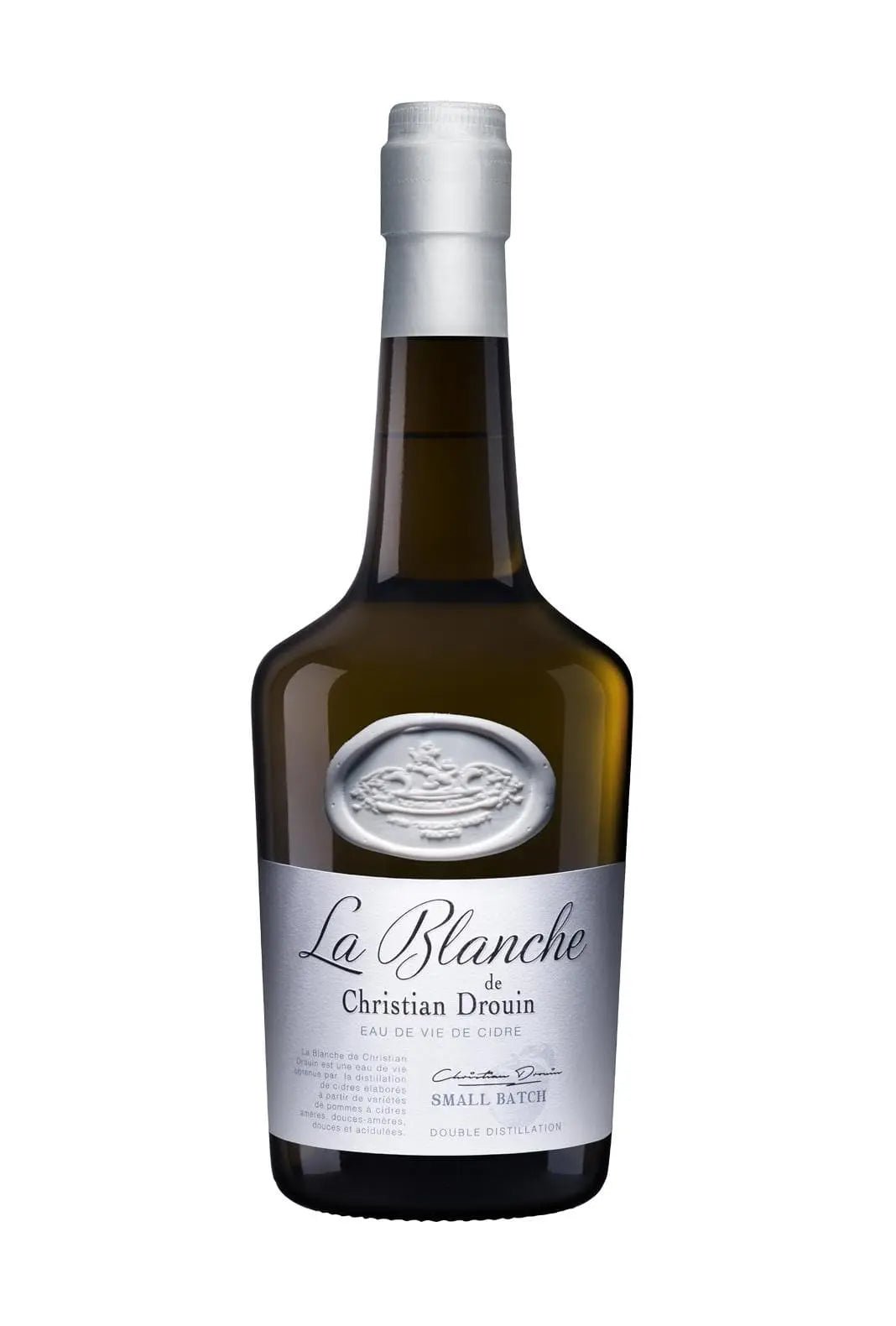
Christian Drouin 'La Blanche' Eau de Vie de Cidre 40% 700ml
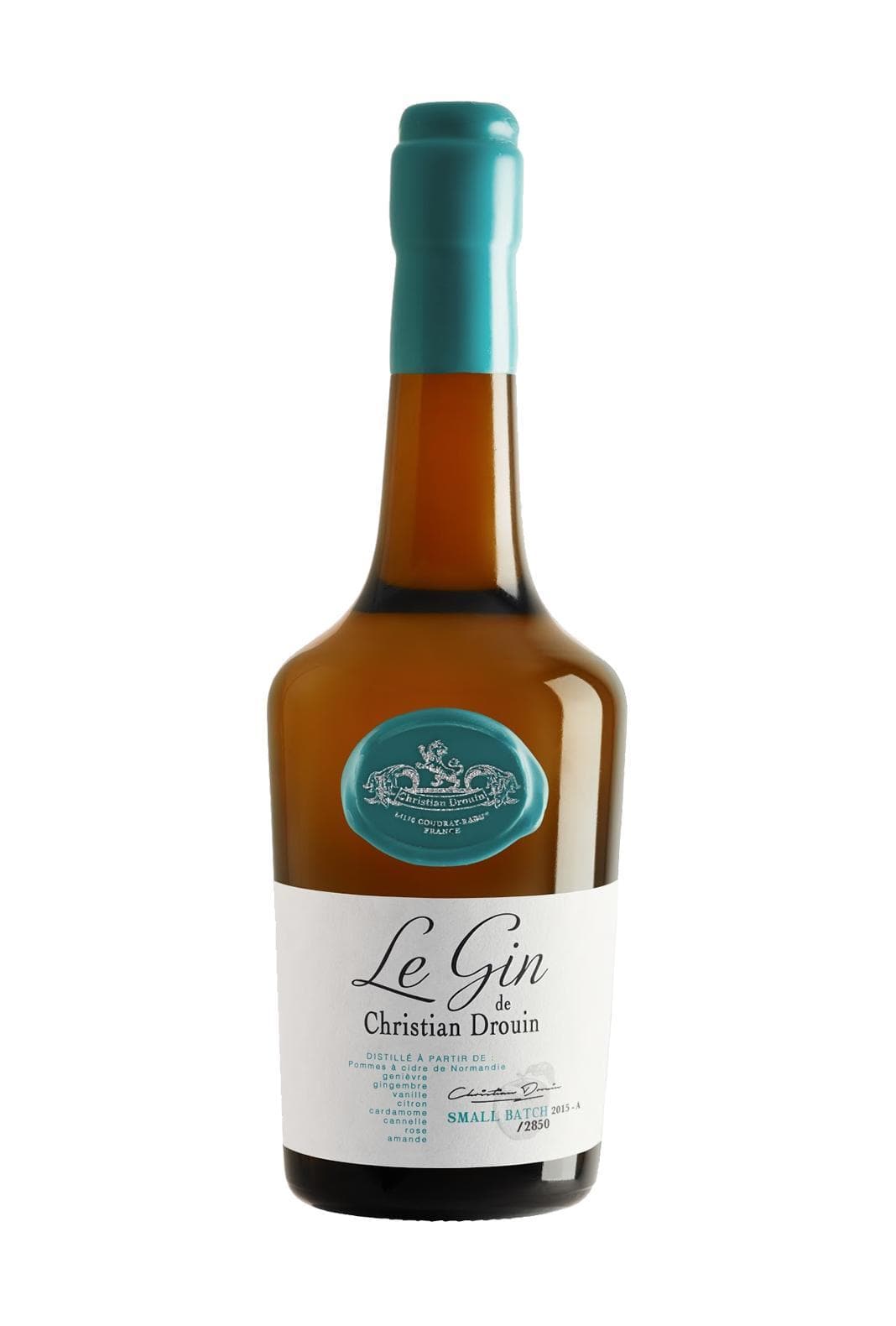
Christian Drouin Gin 'Le Gin Blanc' 42% 700ml
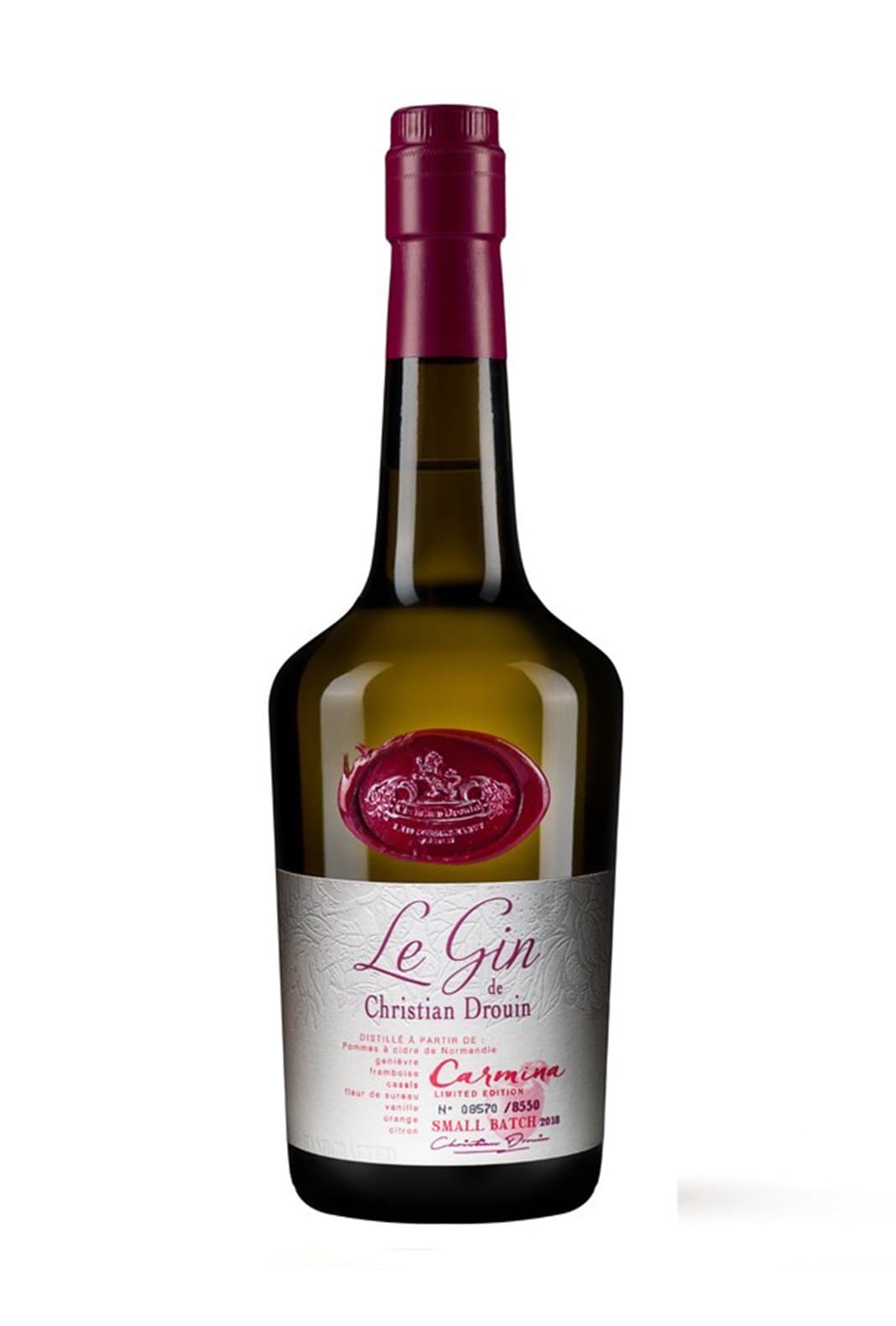
Christian Drouin Le Gin Carmina 42% 700ml
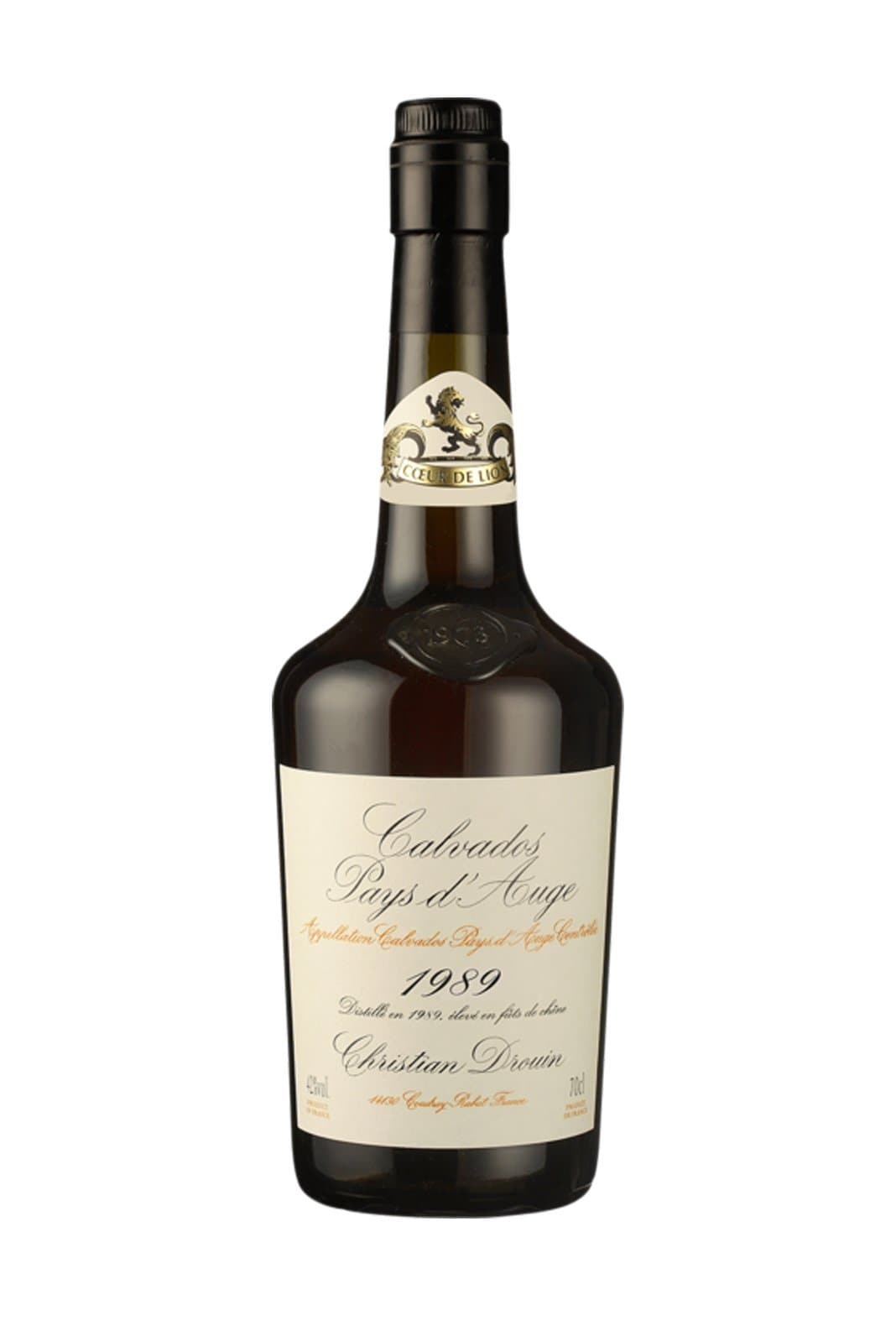
Christian Drouin Calvados 1989 Pays D'Auge Sherry cask 42% 700ml
About Christian Drouin
Christian Drouin works in the Pays d'Auge, the strictest of the three calvados appellations, where the cider has to be fermented slowly and then double distilled in a copper pot still. The house presses a broad mix of Normandy cider apple varieties, most of them bittersweet types grown for tannin rather than eating, ferments without added yeast and ages in casks that have already held something else.
The everyday range starts with the Selection in its 350ml bottle and the VSOP Pale Dry, moves through the Hors d'Age and the XO, and then runs into a deep bench of single vintages reaching back past 1980. Guillaume Drouin, the third generation and a trained oenologist, has also made the house a byword for cask finishing, so you will find calvados rested in casks from Foursquare in Barbados, J.M in Martinique, Chichibu in Japan and sherry casks.
Two oddities are worth knowing. Pomme Prisonniere has a whole apple grown inside the bottle, and Pira sits alongside Le Gin Blanc, Carmina and a calvados cask finish in the family's gin range. All delivered across Australia (exc. NT).
History
Normandy has almost no vineyard. It had a little in the medieval period, around Rouen and Caen, but the climate and better wine coming up from the south finished it off, and the orchards did the job instead. Cider has been made here for at least eight hundred years and distilling it is documented from the sixteenth century, though the spirit stayed a farm product until the railways gave it a market in Paris. Pays d'Auge, the clay and limestone country south of Deauville, took its appellation in 1942; the wider Calvados AOC followed in 1984.
Those rules explain the taste. Pays d'Auge cider must ferment slowly and reach only modest alcohol, then go through two passes in a pot still exactly as cognac does, which keeps texture and fruit that a single column pass strips away. The apples matter as much as the still: growers plant bittersweet and bitter varieties whose tannin gives the young spirit grip, blended with sharp acidic apples for lift.
Christian Drouin senior bought the Coeur de Lion estate in 1960 and began building a cask stock. His son Christian and then Guillaume, who joined in 2004, turned it into a house known for vintage releases and for finishing calvados in casks from other spirits, an idea borrowed from single malt whisky and now copied widely across calvados.
How to drink it
Serve calvados neat at room temperature in a tulip glass. Cold shuts the apple down and a wide balloon lets it escape. Young bottlings take a cube of ice or a splash of tonic without complaint; anything with an age statement does not need help.
Normandy drinks it mid meal, the trou normand, a small measure between courses to reset the appetite. It works. At the table calvados belongs with the local cheeses, Camembert, Livarot and Pont l'Eveque, and with apple tart, roast pork and anything involving cream and mustard. It also has a place at the end of breakfast, the cafe calva, poured into a black coffee or drunk beside it.
For cocktails, calvados swaps into anything built for whisky or brandy. It makes a superb Sidecar and an excellent Old Fashioned. The cask finished bottlings are the interesting ones to mix with, since the rum and sherry casks bring sweetness the apple does not have on its own. The ABC apple aperitif is lower in alcohol and belongs over ice with soda, alongside the rest of the aperitifs.
Start with the VSOP Pale Dry if you want the fresh apple end, or the Hors d'Age for oak and dried fruit. An open bottle holds up for a year or more stored upright out of the light.
More from this origin and style: